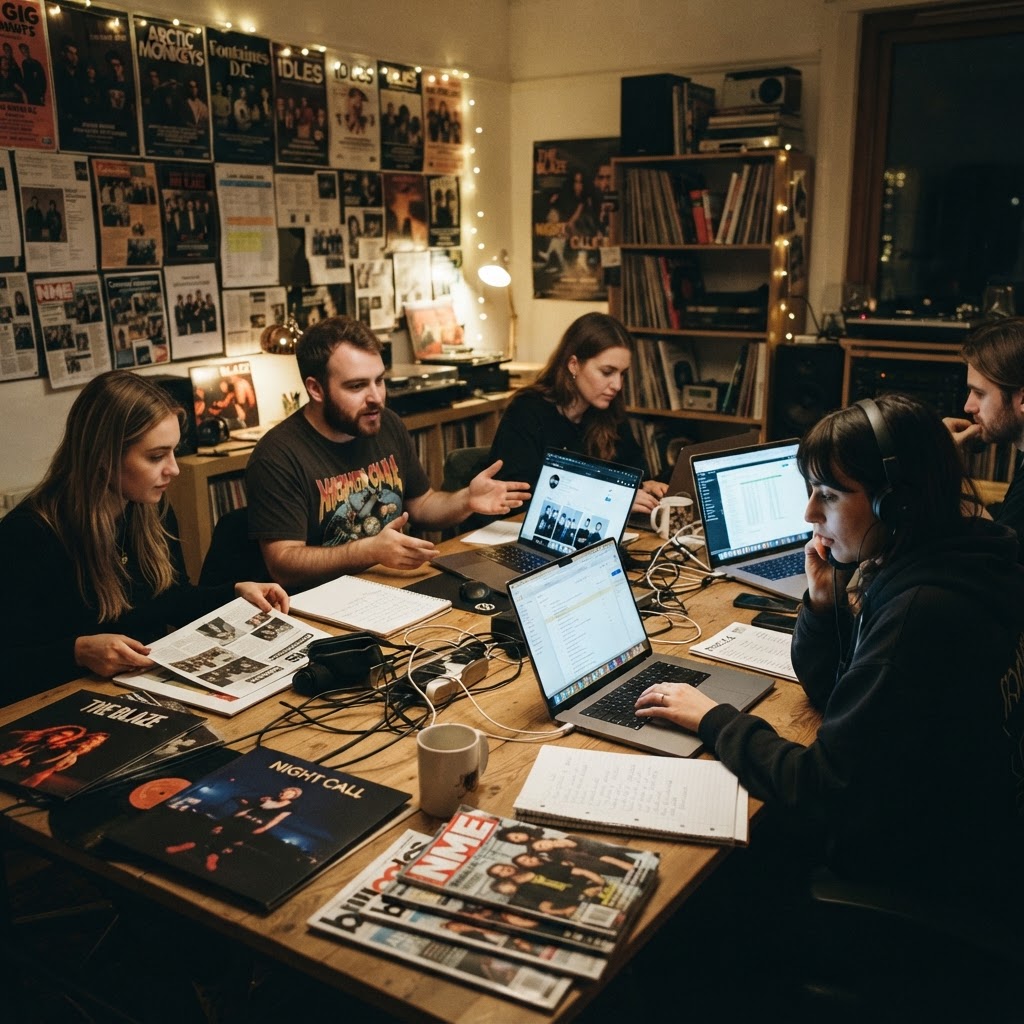
DIY Music PR Without a Publicist: The Secret to Press Coverage
You have spent hundreds of hours in the studio, perfected your mix, and curated your brand, yet when you send your music to blogs and magazines, you are met with total silence. You are not alone; the frustration of being ignored by journalists is the most common hurdle for independent artists. Attempting DIY music PR without a publicist is often viewed as a futile effort, but it is actually a precise game of data, timing, and professional formatting that most artists get wrong because they treat it like a fan letter rather than a business proposal.
Successfully executing DIY music PR without a publicist requires understanding that editors value assets over sentiment. To get featured, you must provide a high-res EPK, a compelling narrative hook under 150 words, and clear metadata. By leveraging SongBiz to streamline your media outreach and using professional templates, you can bridge the gap between amateur spam and publisher-ready content, ensuring your music finally gets the attention it deserves. The transition from amateur outreach to professional media placement requires a strategic pivot: stop selling yourself as an artist and start selling the journalist a story that fits their publication's specific editorial goals.
The Anatomy of a Successful Pitch: Why Your Emails Get Deleted
Most independent artists send emails that are too long, too emotional, or missing essential assets. Journalists at reputable blogs receive upwards of 50 to 100 pitches per day. If your subject line does not show immediate value, it is discarded before being opened. When you are managing DIY music PR without a publicist, your subject line must follow a strict format: [GENRE] Artist Name - Song Title (Release Date). This allows the journalist to categorize your email instantly.
Inside the email, skip the biography. Journalists do not care about your journey; they care about their audience. Focus on one 'hook'—is there a viral TikTok trend involved, a unique production technique, or an exclusive premiere? The industry standard for a response rate is roughly 2% to 5%. If you are not hitting at least a 3% open-to-pitch-response ratio, your subject line is failing. SongBiz offers tools to manage these lists, allowing you to track which curators actually engage with your content. Beyond the basics, consider the 'value-add' approach: offer the writer an exclusive quote, a behind-the-scenes video clip, or an early listening opportunity that their competitors do not have. This gives them a competitive advantage, making your pitch more enticing.
How to Build Your Own Media List Without Spending a Fortune
You do not need a paid subscription to expensive databases to find contacts. The best way to conduct DIY music PR without a publicist is to build a hyper-relevant 'micro-list' of 50 blogs that specifically cover your niche—be it bedroom pop, underground metal, or lo-fi hip hop. Use platforms like Submithub for transparency, but supplement them with direct email outreach to writers who have covered artists similar to you in the last 60 days. Your research should be granular; look at the bylines on articles that feature artists in your exact aesthetic lane. Check their Twitter or LinkedIn profiles for their direct email addresses or submission guidelines, as cold-calling via generic 'info@' addresses rarely yields results.
Pro Tip: Never pitch a music blog that hasn't posted an article in the last two weeks. Outdated contacts are the primary reason for high bounce rates in DIY campaigns.
When you start your outreach, prioritize the 'rule of three': three follow-ups, spaced three days apart. If you hear nothing after the third, remove them from your list. SongBiz acts as your all-in-one platform for this outreach, allowing you to organize your contacts and track your success rate without needing a separate CRM or a label-backed publicist. Building a sustainable list is about quality control; by purging unresponsive contacts after three attempts, you keep your sender reputation high, which prevents your emails from landing in spam filters, ensuring that your future outreach stays in the inbox.
People Also Ask: How Many Blogs Should I Pitch to at Once?
Avoid the spray-and-pray method. Pitching to 500 random blogs will result in a 0% conversion rate. Instead, select 20 high-quality, genre-specific outlets. A tailored pitch to 20 relevant writers has a significantly higher conversion rate than a generic blast to 500. Aim for a response threshold where 1 out of 20 writers requests an interview or provides a review.
People Also Ask: What Should My Follow-Up Strategy Look Like?
Your follow-up should be shorter than the initial pitch. Wait at least 72 hours. Simply reply to your own original thread with: "Hi [Name], just bumping this to the top of your inbox. I think this fits perfectly with your 'Weekly Discovery' column. Let me know if you need any further info." It is non-intrusive and keeps your project top-of-mind without appearing desperate or annoying.
Understanding Curator Psychology and the 'Release Cycle'
Curators and editors function on a strict release calendar. They usually build their weekly editorial lists 10 to 14 days before a song drops. If you are pitching the day of your release, you are already too late. Effective DIY music PR without a publicist requires that you initiate your pitch at least three weeks before your release date. This gives journalists the lead time needed to format your content into their editorial pipeline. If you are aiming for a major feature, give them a four-week lead time, as larger publications have strict content planning schedules that are often finalized a month in advance.
In the digital age, curators are also looking for 'social proof.' If you have a decent following or existing streaming numbers, include them. If you are just starting, mention your Spotify Pre-Save count. Numbers act as a signal of quality that editors can pass on to their readers. If your numbers are low, focus on building your audience through meta ad campaigns. SongBiz provides the ability to run music-optimized ad campaigns, helping you get that initial data traction that makes journalists more likely to take a risk on your submission. When you present data, keep it simple: "Reached 10k streams in 48 hours" or "Featured on 50+ user-curated playlists." This implies market demand, which reduces the perceived risk for a blog editor.
The Role of Content Assets in Media Acceptance
SongBiz for Artists
Pitch your music to vetted curators and PR outlets — all in one platform
SongBiz handles playlist pitching, press outreach, booking, grant funding, and AI content creation so you can focus on making music. No label required. Start free and launch your first campaign in minutes.
Start free with SongBiz →A great song is not enough to secure press coverage. Publications need media-ready assets to make their site look professional. When you are doing DIY music PR without a publicist, your folder of assets must be cloud-accessible and organized. Include a minimum of three high-resolution press photos (16:9 and 4:3 ratios), your official bio (100 words), and a direct link to a streaming private preview. Do not attach audio files directly; it flags your email as spam. A professional setup includes a dedicated link to a Dropbox or Google Drive folder that requires no password or login to access.
- Organize a Google Drive folder for each release, clearly labeled by artist and track title.
- Include a 'Press Release' PDF that highlights the 'Why' of the song: the story behind the lyrics or the creative process.
- Ensure all photos have your artist name in the metadata, making it easy for editors to attribute your work correctly.
- Use SongBiz's AI Content Studio to generate promotional artwork that matches the vibe of your release, saving you thousands in design fees and ensuring your aesthetic is consistent across all media placements.
People Also Ask: Should I Use a Professional Press Release?
Yes, but keep it brief. A professional press release should never exceed one page. It should include the release date, the genre, a brief quote from the artist about the inspiration, and the 'Call to Action' for the reader. Keep the language objective; avoid flowery adjectives that sound like marketing fluff. Let the music speak for itself.
Leveraging Social Proof to Build Authority
If you have been featured on even a small blog, display that logo on your website or your Linktree. This creates a psychological effect known as 'authority bias.' Future journalists are more likely to approve your pitch if they see that others have already verified you. DIY music PR without a publicist is essentially a game of building trust, one article at a time. The goal is to create a 'snowball effect' where every win validates your project for the next, larger outlet. Never downplay your successes; if you landed a spot on a reputable indie blog, highlight it. If you have nothing yet, lean into your streaming growth or local live show stats to anchor your credibility.
The industry secret: Journalists are lazy by necessity. They want the work done for them. If your pitch folder is perfectly organized and contains everything they need, you have a 40% higher chance of being featured compared to an artist who makes them hunt for information.
Once you secure your first placement, use that URL as your 'anchor' in all subsequent pitches. 'As featured on [Blog Name]' is the most powerful sentence you can include in an introductory email. If you need to scale this, SongBiz offers a centralized dashboard to track all your coverage, making it easier to leverage your past wins into future opportunities. By keeping your data in one place, you can identify which outlets were most responsive, allowing you to build a recurring relationship for your next release, which is the ultimate goal of PR: consistency.
People Also Ask: Is It Worth Paying for PR?
For most independent artists, paying for a PR firm is a poor investment. A typical retainer for a mid-tier publicist is $1,500 to $3,000 per month with no guarantee of results. You can achieve better results using a DIY approach if you dedicate time to list building and follow the specific outreach benchmarks described here. Start free and build your own network.
Technical SEO for Your Press Presence
When you are mentioned in a blog, make sure they use your full artist name and include a link to your Spotify or your website. This is essential for your SEO. As an artist, you want your name to show up in Google search results. By keeping your artist name consistent across all media mentions, you help Google's algorithm associate those articles with your official profiles. DIY music PR without a publicist includes managing your 'digital footprint'—ensure that when people search for you, they see the professional articles you have worked so hard to secure. If you find a publication that spelled your name wrong or forgot a link, do not be afraid to email the editor politely. Most are happy to make a quick fix, as they also want their articles to rank well for search terms.
Furthermore, ensure the publication uses high-quality images that you provided. If a site uses an old, low-res photo, it dilutes your brand identity. By providing a 'Media Assets' link at the bottom of every pitch, you make it easy for the journalist to select the right images, ensuring that your visual branding remains uniform across the web. This level of meticulousness distinguishes you from the hobbyists and positions you as a professional entity in the eyes of industry gatekeepers. Remember, your digital reputation is built one publication at a time; treat every mention as a long-term asset for your music career.
People Also Ask: How Long Does It Take to Build a PR Relationship?
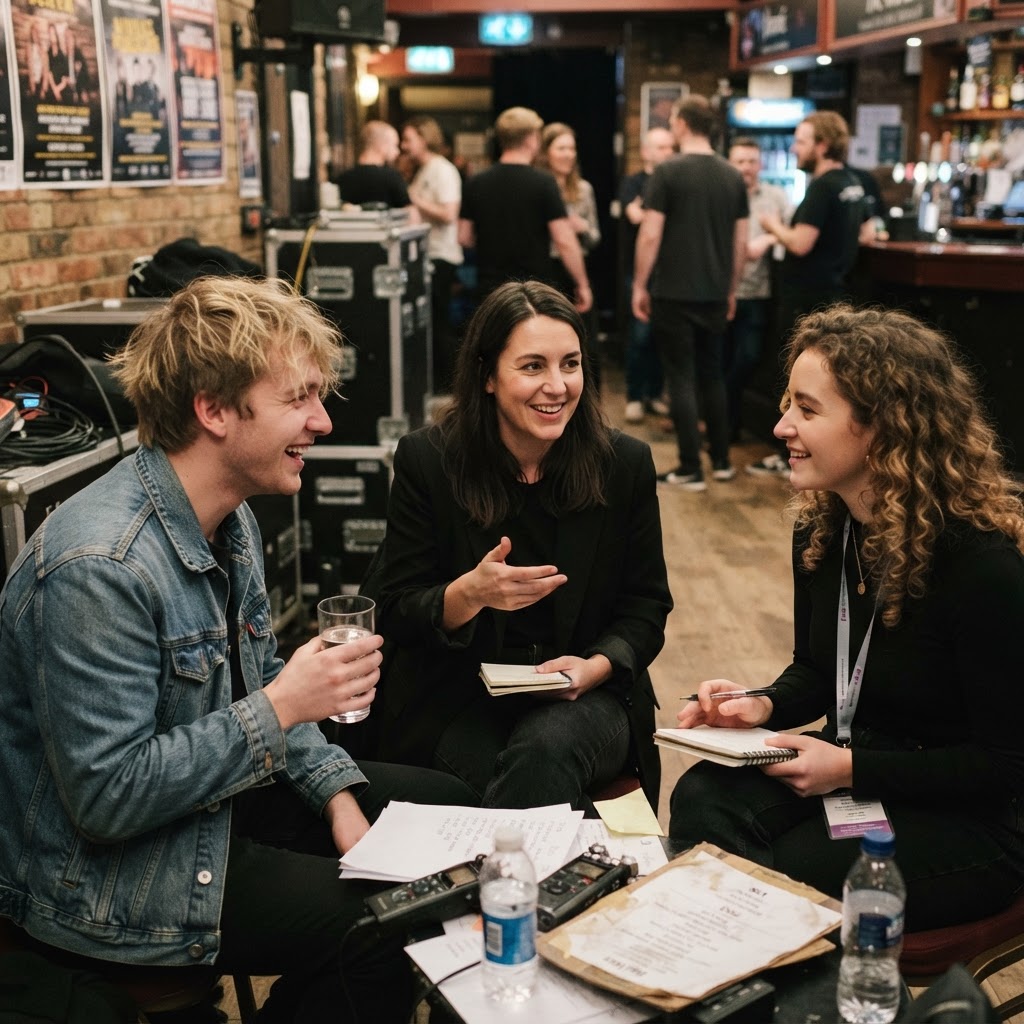
Building a relationship with a journalist is a marathon, not a sprint. Do not expect a feature after one email. Engage with them by sharing their articles on your social media, tagging them, and commenting thoughtfully on their work. Over 3 to 6 months, they will recognize your name. Once that recognition is established, your pitch response rate will spike significantly.
Scaling Your Outreach for Long-Term Success
As you gain momentum, your DIY music PR without a publicist efforts should shift from cold-pitching to warm networking. Once a journalist has written about you, send a simple 'thank you' note. Not a request for another post, just a genuine note of appreciation for their coverage. This simple act of professionalism is rare in the music industry and makes you stand out. Maintain a spreadsheet of these contacts, categorized by 'Warm,' 'Interested,' and 'Active.' For every release thereafter, send a personalized message to your 'Warm' contacts first. They are the most likely to cover your future work, as they have already invested time in your project. This high-touch, low-volume approach often results in a higher success rate than any automated, wide-scale outreach campaign could ever produce.
Finally, track your ROI. Did a specific blog mention lead to a spike in Spotify streams, or did it bring in new email subscribers? Use tracked links (UTMs) in your pitch assets to monitor where your traffic originates. If you notice a particular outlet is driving high engagement, prioritize them for your next major launch. SongBiz makes this level of analysis accessible, providing the insights you need to make evidence-based decisions for your career. By treating your press outreach like a data-driven business operation, you remove the guesswork and replace it with a repeatable, scalable strategy that ensures your music reaches the right ears every single time.
People Also Ask: What if a Publication Says No?
A 'no' or silence is not a failure; it is data. If a publication rejects your submission, it is usually because the song did not fit their current editorial focus. Use this as feedback to refine your list. Do not argue or press for feedback. Simply thank them for their time and move on to your next target. Persistence pays off when it is paired with professional, relevant, and timely outreach efforts.
Build your music career without a label
Join thousands of independent artists using SongBiz to get playlist placements, press coverage, booking deals, and grant funding — all from one platform. Start free today.
SongBiz Professional — Pitch. Press. Play. The all-in-one music marketing platform for independent artists. Playlist pitching, PR outreach, booking, grant funding, and AI content creation. Start free →