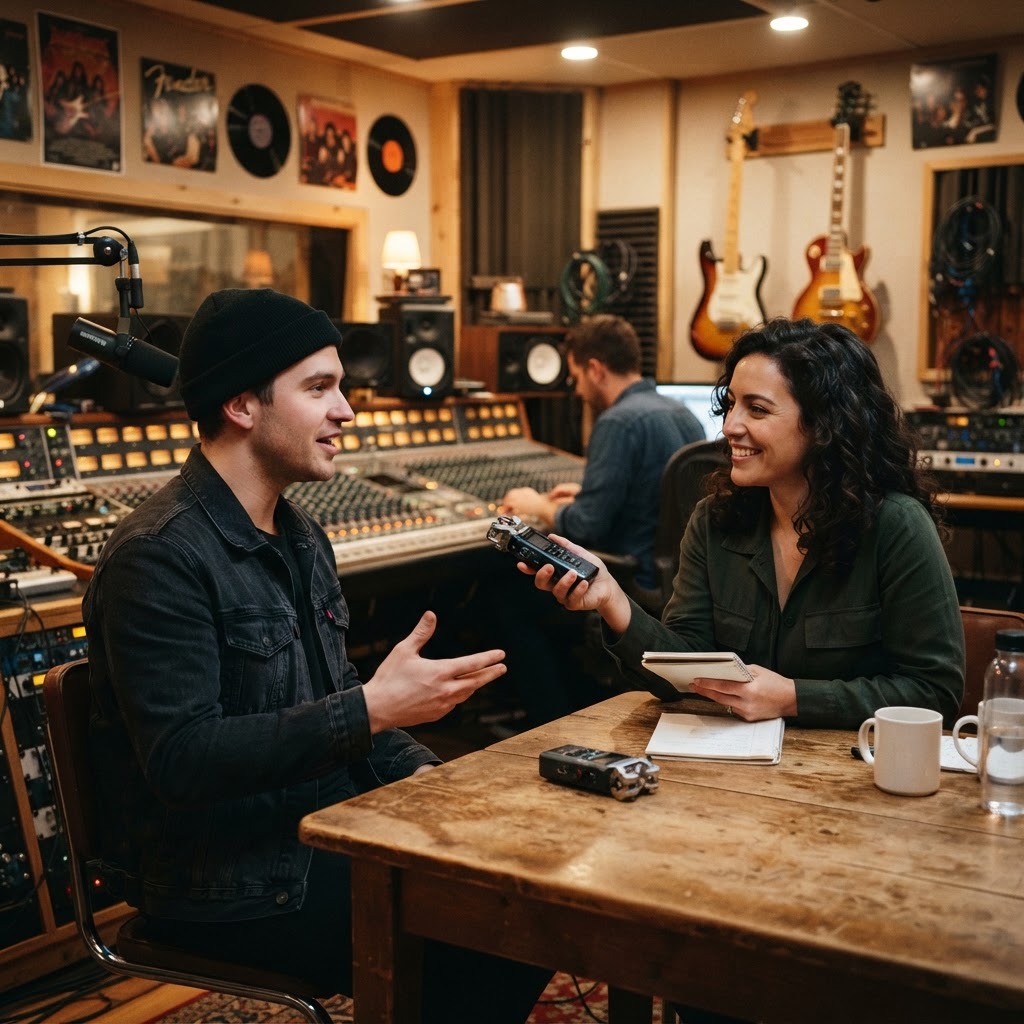
How to Get Featured in Music Magazines: The Insider's PR Playbook
You have spent hundreds of hours in the studio, perfected your mix, and mapped out a release strategy, yet when you hit send on those press emails, you are met with deafening silence. If you are struggling with how to get featured in music magazines, you are likely falling into the same trap as 95% of independent artists: sending generic, bulk emails that journalists immediately flag as spam. The industry is not gatekept by luck; it is gatekept by specific, repeatable metrics and professional outreach protocols that most artists simply ignore.
To successfully learn how to get featured in music magazines, you must shift your perspective from 'asking for a favor' to 'providing a valuable asset.' You win media coverage by delivering high-quality, pre-packaged storytelling that fits a journalist's specific editorial calendar. Successful pitches rely on three pillars: high-fidelity metadata, a verifiable track record of growth (minimum 5,000 monthly listeners or a viral short-form video), and hyper-targeted outreach to writers who cover your specific micro-genre. When you align these elements, you bypass the 'ignored' folder and become an essential part of the media ecosystem.
The Anatomy of a High-Conversion Media Pitch
Most musicians believe that a press release is about them—their journey, their feelings, their 'sound.' Editors, however, do not care about your journey; they care about their engagement metrics and SEO ranking. When learning how to get featured in music magazines, your pitch must pivot to utility. Are you providing a unique angle? Is there a news hook? If you are a bedroom pop artist, do not just pitch a new song; pitch the technological innovation behind your production or a unique collaborative story that resonates with a specific niche.
Using the SongBiz dashboard, you can streamline this process by accessing vetted PR outlets that are actually accepting submissions, avoiding the 'cold-email black hole.' By automating the research phase, you ensure that your pitch reaches the right inbox at the right time, increasing your response rate from a dismal 1% to an industry-standard 10-15% for independent acts. It is about replacing raw effort with intelligent targeting. A pitch should never exceed 200 words; it must be skimmable, authoritative, and immediately actionable for an editor who is likely processing hundreds of similar requests per day.
The biggest mistake independent artists make is assuming a journalist wants an attachment. If they haven't asked for a file, you are a security risk. Always use a secure, branded link to your assets.
Why Your Emails Go Unopened: The Gatekeeper’s Perspective
When investigating how to get featured in music magazines, you must understand that editors at major publications (like Pitchfork, Stereogum, or The Fader) operate on tight deadlines. If an email doesn't have a clear subject line indicating the genre, location, and unique value prop, it gets trashed. A winning subject line format is: [PREMIERE] or [NEW TRACK] - [Artist Name] - [Genre] - [Release Date].
If you are struggling to build these relationships, SongBiz provides the necessary tools to track when your pitches are opened and clicked. This data allows you to follow up professionally after 72 hours, which is often the difference between being ignored and getting the feature. Furthermore, you should never pitch empty-handed. Have your AI-generated press photos and high-quality EPK ready to go in the SongBiz Content Studio before you even draft your first email. Beyond the basics, understand that journalists are often looking for the "third story"—the one that connects you to a broader cultural zeitgeist, such as how your music represents a shift in current social movements or a revival of a defunct synthesis technique.
How do I write a press release that journalists actually read?
Focus on the 'Hook-Body-Call to Action' structure. The hook should state exactly what the release is (new single, exclusive interview, live session) within the first 25 words. The body should be exactly three sentences explaining why your music matters *right now* (trends, social proof, unique sonic fingerprint). The call to action must be frictionless: a direct, secure link to a folder containing a press release, 300dpi photos, and a private SoundCloud/Spotify link. Never force an editor to reply just to ask for your bio.
Why should I prioritize boutique outlets over major magazines initially?
Major publications rarely cover debut artists without an established narrative or massive traction. Boutique outlets provide high-quality backlinks and SEO authority that build your digital reputation. Getting featured in 10 micro-publications creates a "search footprint" that larger magazines use to verify your credibility when you eventually pitch them, significantly increasing your acceptance odds.
The Cost of Visibility: A Comparison of PR Strategies
Budgeting for media coverage is often the biggest hurdle for independent artists. While hiring a boutique PR firm might cost between $2,000 and $5,000 per month, the conversion rate is rarely guaranteed. In contrast, leveraging an all-in-one platform allows you to allocate your budget more effectively toward Meta BOOST campaigns that drive the listener data that journalists actually care about. A PR firm sells you time; SongBiz sells you the infrastructure to win.
| Strategy | Cost | Realistic Outcome | Time Investment |
|---|---|---|---|
| DIY Cold Emailing | $0 | 0.5% - 2% Success Rate | High (15-20 hrs/week) |
| Independent PR Firm | $3,000/mo | 10% - 20% Success Rate | Low |
| SongBiz Platform | Low Monthly Fee | 10% - 15% (Data-Driven) | Medium (3-5 hrs/week) |
Scaling Your Growth Through Meta Ad Campaigns
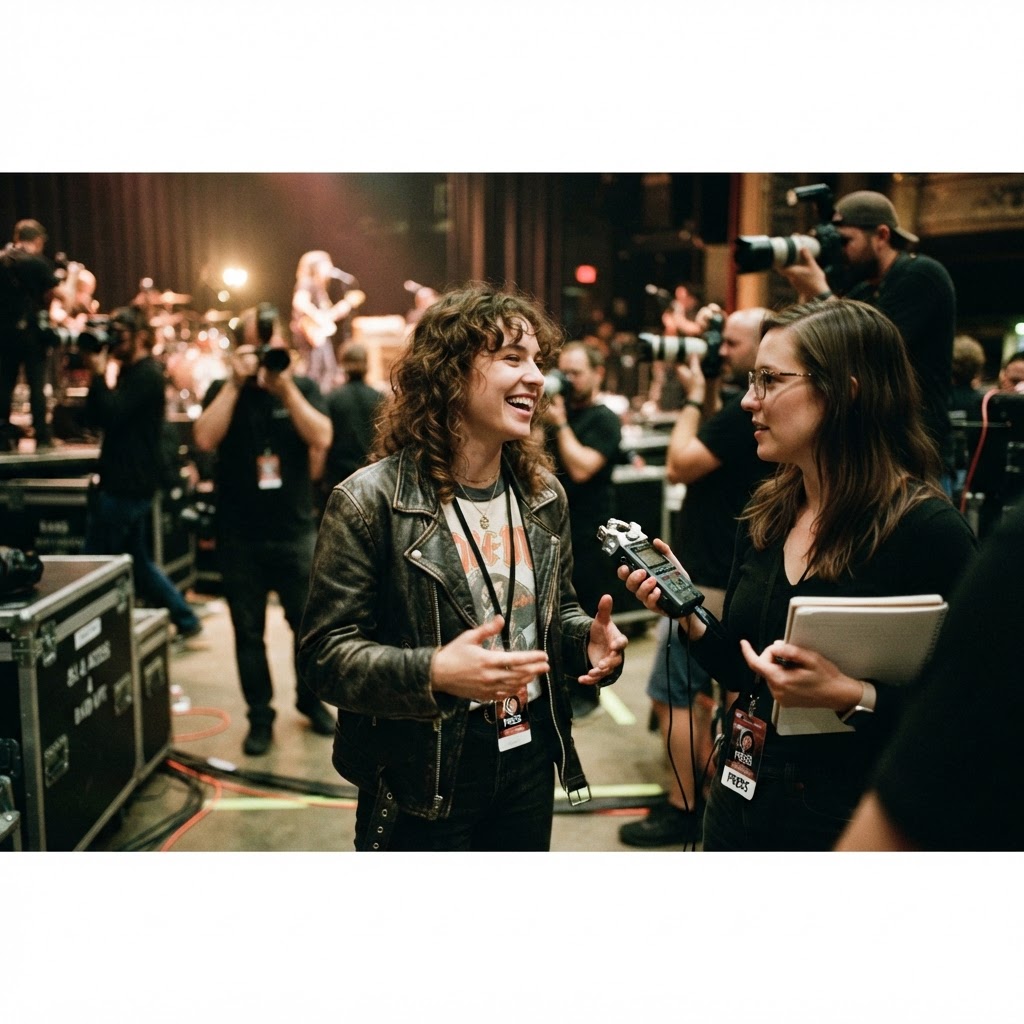
SongBiz for Artists
Pitch your music to vetted curators and PR outlets — all in one platform
SongBiz handles playlist pitching, press outreach, booking, grant funding, and AI content creation so you can focus on making music. No label required. Start free and launch your first campaign in minutes.
Start free with SongBiz →Understanding how to get featured in music magazines is only half the battle. Once you get the feature, you need the data to prove you have a real fanbase. Journalists look for 'heat.' If you have a press mention but 0 listeners, the feature is useless. Use Meta BOOST to target micro-genre audiences specifically related to your sound. By driving high-quality traffic to your profile, you increase your stream counts and follower velocity—the two metrics that curators and magazine editors use to vet you.
When you run these ads, ensure your creative assets are consistent with the "press-ready" look you use in your email pitches. If a journalist clicks through your link and finds a disorganized Spotify profile, the deal is off. Your digital presence must be curated with the same level of care as your music. A professional artist maintains a consistent aesthetic across all platforms, which acts as a subconscious signal to the industry that you are ready for professional exposure.
Pro-tip: Never purchase ads that lead to a general link. Use a landing page that requires a 'save' or a follow on Spotify. This 'fan-gate' creates the data points necessary to secure future editorial consideration.
What metrics do music magazines look for before featuring an artist?
Magazines look for momentum indicators, not just raw stream counts. Key thresholds include a minimum of 3-5% skip rate (low engagement is a red flag), at least 20% of listeners saving the song, and a consistent growth trend over the last 90 days. If your charts are flat, even a viral moment won't secure a lasting feature because they know the audience won't stick around.
Building Long-Term Media Relationships
Once you secure your first feature, the goal is to turn that into a recurring partnership. Do not simply post the article and move on. Tag the publication, write a thoughtful thank-you note to the journalist on LinkedIn or Twitter, and use your SongBiz Content Studio to create a high-quality behind-the-scenes video for your social channels that mentions the outlet. By driving your own traffic to their article, you become a 'high-value' artist—one who helps the publication hit their own traffic goals. This is the secret to getting future features. Treat journalists as colleagues, not as service providers. If you provide them with consistent, high-quality content that helps their platform grow, they will eventually come to you for stories rather than the other way around.
When you maintain these relationships, you create a "media pipeline." This means that before you drop your next EP, you can send an "advance notice" to your contacts. By providing them an exclusive look 14 days before the public, you give them the leverage to own the story, which is a massive incentive for them to feature you again. This cycle is what elevates an artist from a "one-hit-wonder" to an "industry staple."
Mastering the Pitching Timeline
Successful PR is built on synchronization. If you decide you want to learn how to get featured in music magazines, you must align your release date with the reality of editorial cycles. Monthly print magazines often operate on a 3-4 month lead time. If you pitch a song for a May issue in April, it is already in the bin. Digital outlets are faster, but they still prefer a 3-week buffer. SongBiz helps you plan these cycles by providing a centralized calendar, ensuring you never miss a submission window for major publications that require early access to press releases and advance streams.
Consider the "Waterfall Release" strategy: pitch to small blogs for coverage at the time of your single release, then use that accumulated press to pitch the "larger story" of your EP or album to mid-tier and top-tier magazines. This stacking of social proof is exactly how industry professionals orchestrate a "buzz" campaign. They don't rely on one big feature; they rely on a constant drumbeat of coverage that makes it impossible for editors to ignore the artist's rise.
How do I find contact information for specific music journalists?
Avoid generic 'info@' email addresses. Search Twitter and LinkedIn for writers who cover your specific sub-genre. Look for their recent articles and see if they have a 'contact' link in their bio. Many use tools like Muck Rack or subscribe to curated PR databases. Alternatively, the SongBiz dashboard provides pre-vetted lists of contacts who have explicitly expressed interest in hearing new music from independent artists.
Frequently Asked Questions
How long does it typically take to get a feature in a music magazine?
Expect a lead time of 6 to 8 weeks. Most reputable magazines plan their editorial calendars months in advance. If you are emailing a journalist about a song coming out on Friday, you are already too late. You need to provide the music and press assets at least four weeks before the official release date to be considered for a premiere.
Should I hire a publicist if I want to learn how to get featured in music magazines?
Hiring a publicist is only worth it if you have a budget of at least $5,000 to cover a 3-month campaign and a strong narrative (e.g., a tour or a major label-level debut). For most independent artists, the ROI is negative. It is far more efficient to use a platform like SongBiz to handle your own outreach, saving your capital for advertising and content creation.
What is the difference between a blog feature and a magazine feature?
Blogs (like HypeMachine-indexed sites) focus on volume, discovery, and 'breaking' new sounds, making them more accessible for emerging artists. Magazines (like Rolling Stone or NME) focus on cultural impact, narratives, and established trajectories. Start by securing 5-10 high-quality blog features to build your digital footprint, then use that social proof to approach mid-tier magazines, eventually working your way up to larger publications.
Do I need an EPK to get featured in music magazines?
Yes, an Electronic Press Kit (EPK) is non-negotiable. It must contain high-resolution photos (horizontal and vertical), a concise bio (under 250 words), your social media links, streaming data, and a private link to your music. If you do not have an EPK, journalists will assume you are not serious about your career. You can generate professional-grade assets using AI-powered tools within the SongBiz dashboard in minutes.
How do I handle a rejection from a music magazine editor?
Rejection is rarely personal; it is often a matter of "editorial fit" or space constraints. Instead of getting discouraged, reply with: "I completely understand. Thanks for the feedback. Could I send over my next release when the time is right?" This keeps the door open. Often, an editor will remember your professionalism and reach out for a future pitch that aligns better with their current cycle.
Ultimately, the secret to how to get featured in music magazines is persistence. It is a game of probability. By optimizing your assets via SongBiz, targeting the right individuals, and providing data-driven, newsworthy hooks, you shift the odds in your favor. Stay consistent, remain professional, and continue building your data—the feature is an inevitable outcome of a career managed with precision and intent.
Build your music career without a label
Join thousands of independent artists using SongBiz to get playlist placements, press coverage, booking deals, and grant funding — all from one platform. Start free today.
SongBiz Professional — Pitch. Press. Play. The all-in-one music marketing platform for independent artists. Playlist pitching, PR outreach, booking, grant funding, and AI content creation. Start free →