How to Get Music on the Radio: Proven Strategies for Independent Artists
As an independent artist, the frustration of wondering how to get music on the radio can be overwhelming. You might have spent months crafting the perfect sound, yet your songs seem to be stuck on streaming platforms with no radio airplay. Perhaps you’ve released 50 tracks but received zero playlist placements. Or maybe you've invested hundreds in promotion with minimal results. You’re not alone in feeling invisible in a saturated music market.
But here’s the answer: effective airplay starts with understanding your audience, utilizing strategic outreach, and leveraging unique tools to boost your chances. In this guide, we’ll explore actionable methods and insider tips that will empower you to get your music on the radio.
The Landscape of Radio Airplay
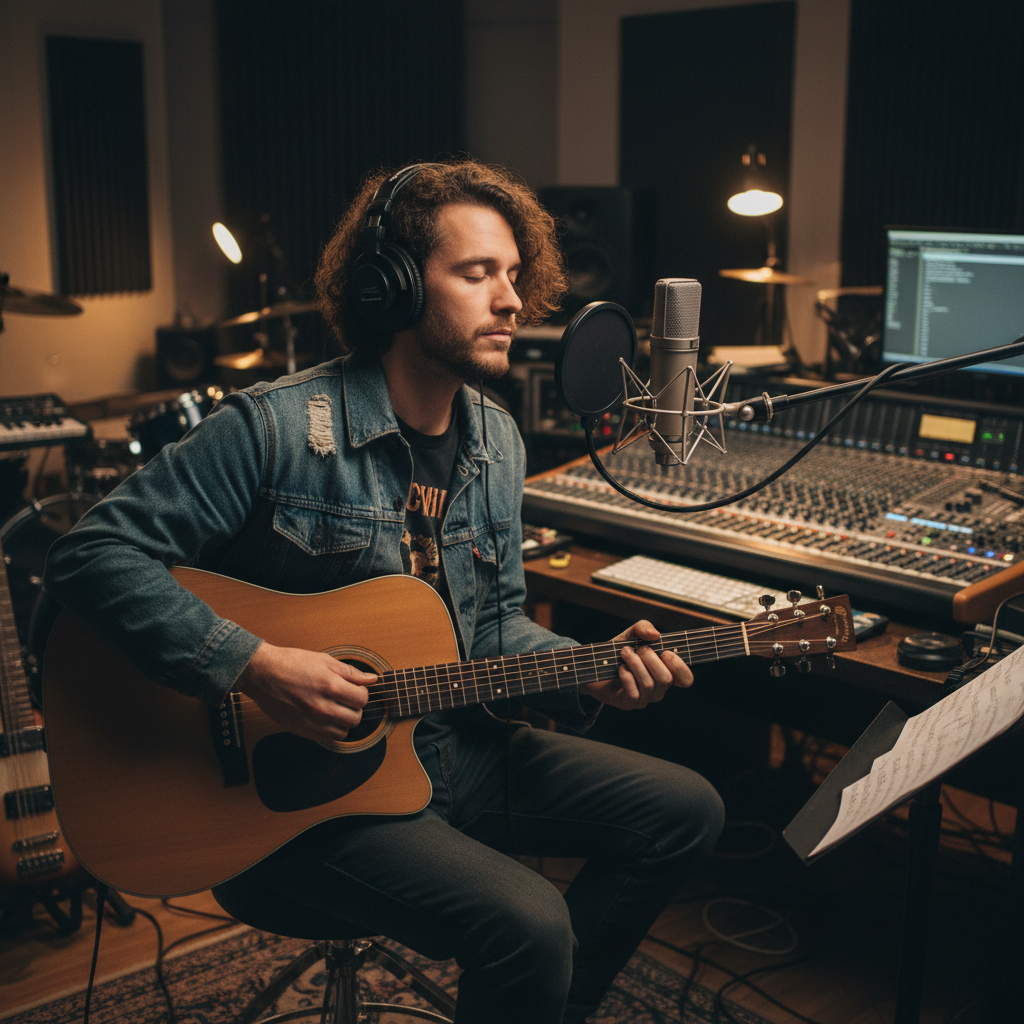
One of the primary obstacles to radio airplay is understanding the industry itself. Radio stations are inundated with submissions, making it vital for artists to stand out. Consider that commercial radio stations often rely on playlisting services that have predefined metrics for selection. It’s essential to know these thresholds before you start.
Common Challenges Artists Face
- High competition among indie artists
- Limited resources for promotion
- Lack of connections in the radio industry
To tackle these issues, familiarize yourself with station formats, identify the appropriate contacts, and develop relationships with them. Understanding genre-specific expectations can significantly increase your chances of getting airplay.
Leverage Your Listener Metrics
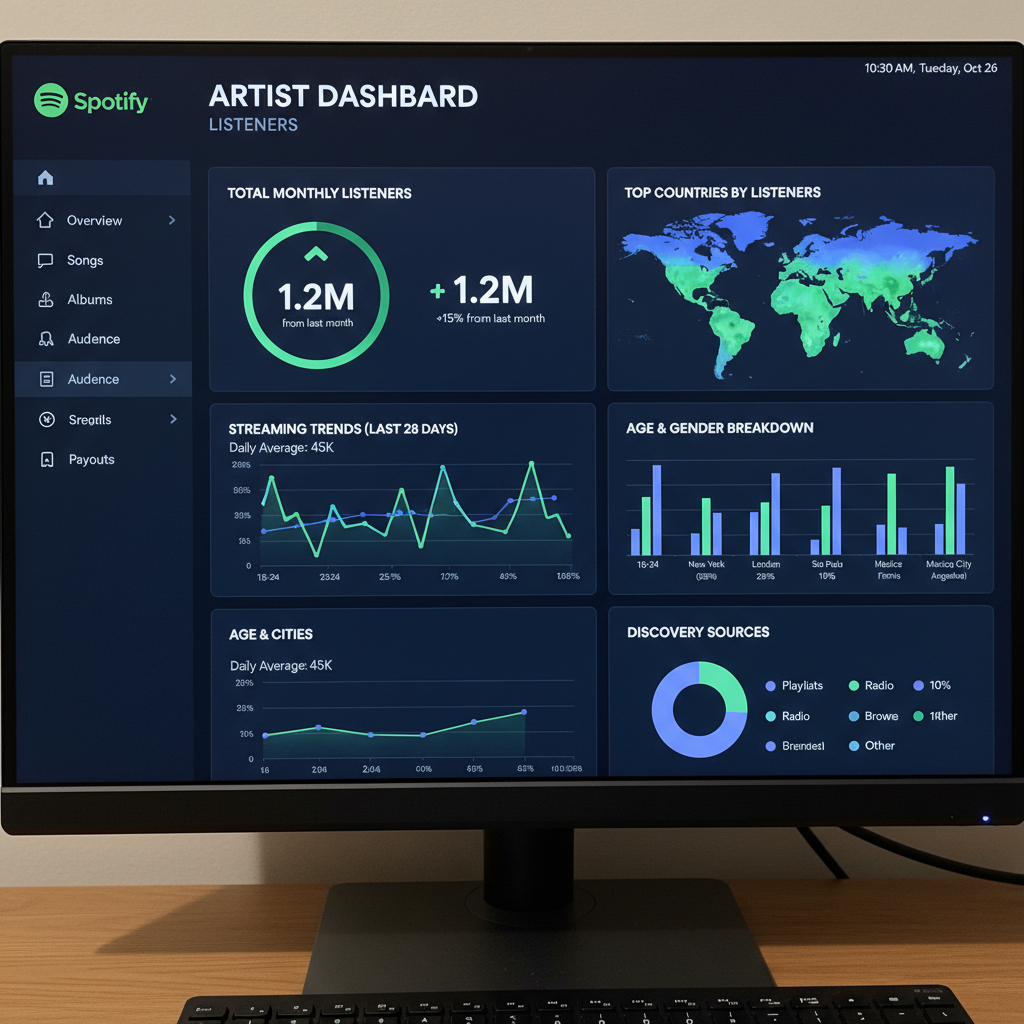
Knowing how to get music on the radio relies heavily on your analytics. Radio programmers are more likely to play tracks that have already garnered a dedicated following. Here are essential benchmarks to consider:
- Spotify Save Rate: Aim for a 10% save rate on Spotify as this indicates listener interest and can influence radio programmers.
- Release Radar Requirements: To be featured, aim for 1,000 saves in the first week post-release.
- Playlist Add Rates: Tracking how many playlists add your song will help refine your strategy.
Utilizing tools like SongBiz’s algorithm tracker can monitor these metrics efficiently, providing real-time insights into your music's performance. By harnessing this data, you can make informed decisions on when and where to pitch your songs.
Steps to Build Your Press Kit
Another significant asset in how to get music on the radio is a professional Electronic Press Kit (EPK). It includes:
- Biography: Share your musical journey and accomplishments.
- Music Samples: Include your best tracks for easy access.
- High-Quality Images: Provide professional photographs of yourself performing.
- Press Coverage: Showcase any articles or features that spotlight your music.
- Contact Information: Ensure your booking info is accessible.
Creating an EPK can be made easier with the SongBiz EPK builder, ensuring that your kit stands out with a professional look.
Networking in the Music Industry
Building connections is crucial in understanding how to get music on the radio. Many artists underestimate the power of networking; however, radio promoters and DJs are more likely to support musicians they know or have a connection with.
How to Connect with Radio Stations
- Attend music conferences and local gigs where radio DJs and promoters are present.
- Engage with them on social media platforms.
- Send personalized emails introducing your music and expressing interest in collaborations.
Using SongBiz’s AI booking agent can also streamline your outreach process, letting you focus on creating while it manages your connection efforts.
Pitching Your Music Effectively
When it comes to actually pitching your music, a generic email won’t cut it. Tailor your communication for each radio station, showing them why your song fits their format and audience. Be concise and provide direct links to your best tracks.
Crafting the Perfect Pitch
- Subject Line: Keep it engaging and relevant.
- Introduction: Briefly introduce yourself and your recent work.
- Link to Music: Provide direct URLs to your tracks on streaming platforms.
- Call-to-Action: Invite them to respond or offer feedback.
Remember to monitor responses and be respectful of their time. Consistent follow-ups can also enhance your chances without being spammy.
Seek Out Independent Radio Stations
Don’t forget about independent radio stations, which often go beyond commercial playlists. They’re more likely to appreciate and support local talent, giving you a solid platform for airplay.
Researching Suitable Independent Stations
- Utilize online databases to locate stations that feature your genre.
- Analyze their playlists to see how your music aligns.
- Engage with their social media for relationship building.
Independent stations are often excited to discover new music, making them a key piece in your strategy to get your music on the radio.
Measure Your Progress
Finally, don't forget to track your results. Evaluate response rates, airplay frequency, and listener engagement metrics to understand the effectiveness of your strategies. Use tools like SongBiz’s Spotify algorithm tracker for insights.
"Tracking your progress not only informs your next steps; it strengthens your case for future pitches. Effective artists monitor and adjust their strategies as required to find success in a competitive landscape."
Frequently Asked Questions

What are the best ways to get music on the radio?
To successfully get your music on the radio, focus on building an EPK, networking with industry contacts, crafting tailored pitches for specific radio stations, and utilizing streaming metrics to demonstrate your audience engagement.
Do radio stations accept submissions from independent artists?
Yes, many independent and college radio stations actively seek new music, making them a viable option for indie artists looking to get their songs on air.
How long does it take to get music played on the radio?
The timeline varies; typically, it can take anywhere from a few weeks to several months after submitting to hear back from a station. Persistence and consistent follow-up are key components of success.
Can airplay help increase my streaming numbers?
Absolutely! Radio airplay can lead to increased visibility, which often translates to higher streaming numbers and social media engagement, further aiding your growth as an artist.
Conclusion: Take Action with SongBiz
As you can see, the journey to discover how to get music on the radio involves multiple steps and strategies tailored to your unique sound and audience. If you’re feeling overwhelmed, consider leveraging SongBiz’s suite of tools designed specifically for independent artists. From AI playlist pitching to comprehensive EPK building and algorithm tracking, we simplify the whole process for you.
Now’s the time to elevate your music career! Start your free trial at SongBiz — streamline your music outreach and start getting your music on the radio today!


