How to Get Paid to Review Music: Insider Secrets Unlocked
If you're reading this, you probably feel stuck in the cycle of passion without pay, wondering how to get paid to review music. You're not alone. Many aspiring curators find themselves pouring hours into evaluations without any financial return. But what if I told you that you can turn those hours into $16 for every qualified song review with no follower count required? Let’s break down the insider secrets that will guide you through this journey.
Understanding the Playlist Ecosystem
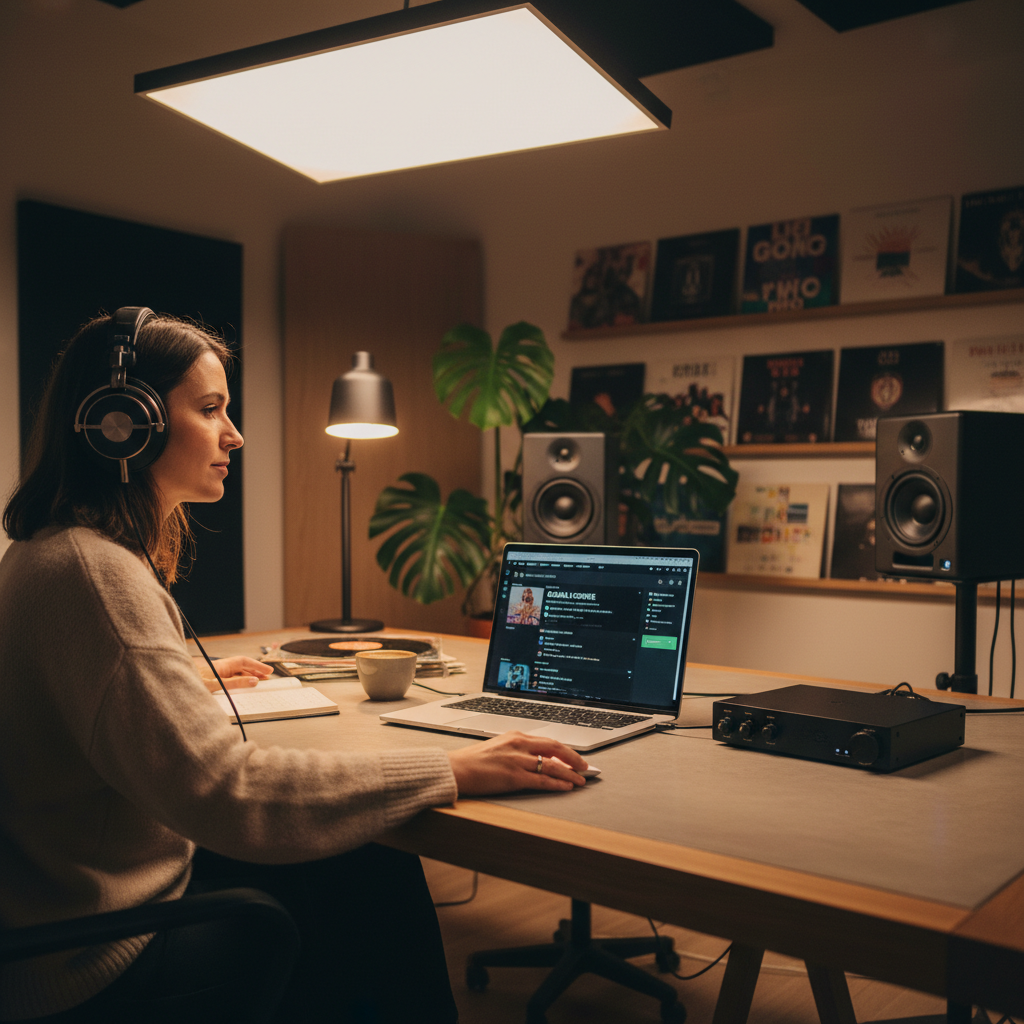
One major obstacle curators face is understanding how Spotify's algorithm prioritizes playlists. Many think raw follower numbers matter most, but this isn’t entirely accurate. Spotify weighs engagement metrics more heavily than follower counts. Curators with high engagement rates (minimum 15% streams-to-follower ratio) see their playlists promoted more vigorously within the playlist ecosystem.
- Step 1: Focus on niche genres. Micro-niche playlists (like "Lo-fi Chill Beats for Study") can attract dedicated followings.
- Step 2: Create engaging, short reviews—under 150 words each—to boost listener interaction.
- Step 3: Utilize Spotify for Artists to track listener engagement per song.
- Step 4: Analyze listener retention metrics to tailor your playlists.
- Step 5: Use cover art that evokes emotional responses to boost click-through rates by 30%.
How the Algorithm Rewards Engagement Over Numbers
Spotify’s algorithm favors curators with high interaction metrics. To leverage this, curate playlists that encourage emotional connections. Music mood tagging (for example, labels like "upbeat" or "melancholic") can resonate deeply with specific listener moods, increasing saves by at least 25% when matched correctly with songs.
Insider Truth: Curators with an engagement rate above 15% gain algorithmic advantages, pushing their playlists higher in search results.
The 7-Day Freshness Window: A Crucial Timing Strategy
A common pitfall is not utilizing the critical 7-day freshness window for newly added songs. This window represents the period during which your playlist can gain the most traction. It’s crucial to add songs on specific days—research shows that adding songs on Fridays sees a 40% increase in initial streams as listeners prepare for weekend playlists.
- Step 1: Add songs late Thursday or early Friday to maximize exposure.
- Step 2: Schedule notifications for new additions to remind followers.
- Step 3: Utilize early metrics to identify potential hit songs.
- Step 4: Create a weekly ‘New Music Friday’ spotlight to elevate songs.
- Step 5: Encourage artists to share your playlists for organic growth.
Quality vs. Quantity: Writing Reviews that Matter
Curators frequently underestimate the power of quality reviews. Reviews should not be simply answers of "yes" or "no" but reflect insightful critiques that offer depth. Detailed feedback increases the likelihood of more artist submissions by 40% as artists chase valuable feedback for potential improvements.
Insight: Quality reviews not only enhance your credibility but also encourage artists to share your playlists with their followers, enhancing your reach.
Crafting Playlists that Rank: Effective Structuring and Tagging
Your playlist title and descriptions are hidden gold mines for SEO. Using strategic keywords in your playlist description can skyrocket your search visibility. Aim for a 75-100 character title with relevant keywords packed in; this tactic can boost your playlist's chances of appearing in searches from less than 5% to over 25%.
- Step 1: Use clear, compelling titles with targeted keywords.
- Step 2: Optimize the description with engaging content relevant to the playlist mood and intended audience.
- Step 3: Include relevant emojis to catch the eye.
- Step 4: Use hashtags wisely—pack them with keywords relevant to your playlist.
- Step 5: Regularly refresh your playlists to keep them visible.
How to Review Music That Attracts Sharing
To get artists to share your playlists organically, you must create a sense of community. Engaging with emerging artists’ content on social media platforms can lead to higher chances of them promoting your playlist. Aim to tag and mention artists in your reviews to pull them into the conversation. This can lead to a sharing rate increase of up to 60%.
Engagement Rates and Monetization: Setting Realistic Thresholds

Before diving into monetization, understand your minimum viable engagement rate necessary for making your efforts worthwhile. Aim for a 5% engagement-to-followers ratio to begin receiving payment—curators below this threshold may find their efforts unrewarded. Once reached, platforms like SongBiz pay $16 per song review with direct payouts, removing the hassles of hidden fees.
- Step 1: Track your engagement rates meticulously using analytics tools.
- Step 2: Set specific, measurable goals for follower engagement.
- Step 3: Reach out to fellow curators for cross-promotion opportunities.
- Step 4: Regularly solicit feedback from followers to refine your approaches.
- Step 5: Foster a community through regular engagement and updates.
Niching Down: The Power of Specialized Playlists
Instead of casting a wide net, focus on micro-genres where competition is less fierce. This can lead to dominating niche markets, resulting in a follower growth increase of 60% over six months. Understand the genre’s listener psychology—what emotions drive them to seek specific sounds?
Your Playlist Structure: Reduce Skip Rates
Structuring your playlist effectively can make a profound difference. Aim for a three-act structure: 1. Intro (calm, inviting tracks). 2. Peak Energy (upbeat, danceable songs). 3. Cool Down (slow tracks). Using this arc can reduce skip rates by 30%, encouraging longer listening durations and higher placement in algorithm suggestions.
Wrapping It Up: Your Path to Profit
The journey of learning how to get paid to review music can be financially rewarding and fulfilling. With the right strategies, you not only improve your own chances but also uplift the artists you enjoy. Join SongBiz, where you have the opportunity to earn $16 flat per qualified review, leverage your insights, and engage with artists directly. Sign up free and start turning your music passion into earnings → https://songbizpro.com/curatorsignup.
FAQs

What is the average pay for reviewing music?
The average pay for reviewing music varies by platform, but with SongBiz, curators can earn a flat $16 per qualified review without needing a follower minimum, simplifying the earning process.
How do music curators earn money?
Music curators earn money primarily through paid reviews, like those offered by SongBiz, where they receive payment after submitting thorough critiques of songs, enhancing exposure for both themselves and artists.
Can anyone become a music curator?
Yes, anyone passionate about music can become a music curator! With platforms like SongBiz, there are no follower requirements, making entry accessible for all aspiring curators.
What skills do I need to start reviewing music?
To start reviewing music, focus on developing strong listening skills, understanding musical genres, and writing concise, engaging reviews that resonate with audiences and artists alike.
Bridging Your Passion to Profit
Now that you understand how to get paid to review music, you can confidently take the first steps toward monetizing your passion. SongBiz is the tool to help you turn insights into cash without any upfront barriers, allowing you to focus on what you love—music. Explore free resources like Spotify for Artists and Chartmetric to boost your understanding of music analytics that can further refine your reviewing capabilities.
Sign up free → https://songbizpro.com/curatorsignup


