How to Get Radio Play as an Independent Artist: The Pro Guide
You have spent months in the studio perfecting your latest single, only to watch your emails go unread and your tracks sit at a measly fifty streams. The frustration of being ignored by radio programmers is a rite of passage, but it is also a technical failure in your outreach strategy. You are likely asking, how to get radio play as an independent artist in a landscape dominated by corporate playlists and major label gatekeepers. The reality is that radio, both terrestrial and digital, is not a monolith; it is a system of localized trust and technical requirements that most artists completely overlook.
To secure radio play as an independent artist, you must bypass national syndicates and focus on targeted, data-backed outreach to regional college, community, and internet radio stations. Start by securing high-fidelity broadcast assets, targeting stations that align with your specific sub-genre, and providing a clean, professional electronic press kit (EPK) that includes verifiable streaming milestones and a concise, non-salesy pitch.
Understanding the Mechanics of Radio Airplay
The biggest misconception is that radio programmers are looking for "good music." They are actually looking for "safe music" that keeps listeners from turning the dial. When you are learning how to get radio play as an independent artist, you must understand that every station operates on a "rotation" system. They are not waiting for a discovery; they are waiting for proof that your music is safe for their demographic. They categorize songs into A, B, and C rotations based on audience familiarity and tempo, and as an independent, your goal is to land in the "C" (testing) rotation first.
If you don't have a track record, you have to build one. Platforms like SongBiz allow you to manage your PR outreach and playlisting in one place, giving you the digital footprint needed to prove to a radio program director that you are already building momentum. Radio scouts search for artists who are already trending, so if your metadata is clean and your social signals are strong, your chances of a spin increase exponentially. Remember, programmers are terrified of "dead air" or listener attrition; if you can prove your track has been tested elsewhere, you mitigate their professional risk.
People Also Ask: Can independent artists actually get on terrestrial radio?
Yes, but not through national morning shows. The secret is to start with FCC-licensed non-commercial and college stations. These outlets are legally required to provide airtime for local and independent talent. They are the gatekeepers that lead to larger regional syndication. If you are not targeting college stations with your initial release, you are ignoring the easiest entry point into the radio ecosystem.
People Also Ask: What are the technical audio specs for professional broadcast?
To satisfy a broadcast engineer, your file must be a 16-bit, 44.1kHz WAV file, not an MP3. Ensure your LUFS (Loudness Units relative to Full Scale) are balanced between -14 and -16 to avoid clipping or sounding quiet compared to commercial ads. SongBiz provides tools to check these specs; improper levels are the #1 reason tracks are rejected immediately without a second listen.
How to Build a Radio-Ready EPK That Gets Opened
A standard mistake is sending a "to whom it may concern" email with a massive WAV file attachment. This is a guaranteed way to land in the trash. Your EPK needs to be a web-hosted landing page. It should contain a "Radio Edit" (clean version), an instrumental, and a one-sheet that highlights 3-5 key data points: your current monthly listeners, your growth percentage over the last 90 days, and a quote from a notable blog or curator.
Pro Tip: Never attach a file to an initial outreach email. Programmers get hundreds of emails a day; a large attachment triggers spam filters and annoys the recipient. Use a secure, trackable link via a professional music dashboard.
When you are researching how to get radio play as an independent artist, you must focus on the "Radio Edit." If your song contains expletives or themes that are too provocative for broadcast, you need a radio-friendly edit. SongBiz’s AI Content Studio can help you re-master or tweak assets to ensure they meet broadcast standards without requiring an expensive engineer. A pro-tip: always include an ISRC code on your one-sheet. If a programmer likes your song, they need to manually input it into their system; if the metadata isn't ready, they move to the next email.
Targeting the Right Stations: A Data-Driven Approach
Do not spam every radio station in the country. You need to focus on stations that play your specific sub-genre. If you are an indie-folk artist, a heavy rock station is a waste of your time. Use a database to identify stations where artists similar to you are receiving rotation. Look at their "Most Played" lists and reach out to the specific DJs who host local spotlight segments.
Benchmark your progress by targeting stations that report to the NACC (North American College and Community) charts. If you can get five stations to add you to their rotation, you can use that data to pitch to larger, regional stations. This is the domino effect. By using SongBiz, you can organize these contacts and track your outreach efforts, ensuring that you are building relationships rather than just hitting a list of cold contacts. Aim for a target list of 50 stations for your first campaign; 10% of that will be your "A-list" (high priority), 40% your "B-list" (target), and 50% "C-list" (outreach practice).
How to Get Radio Play as an Independent Artist Through Local Synergy
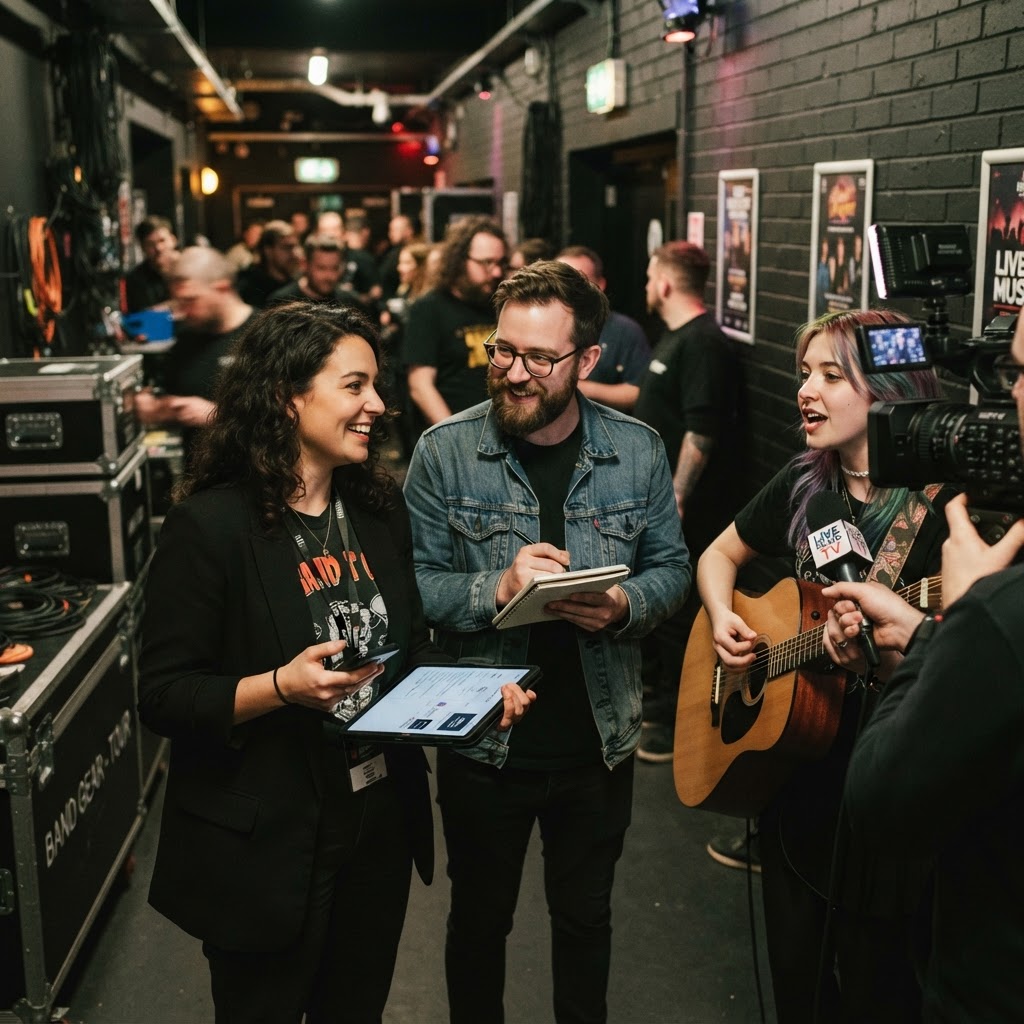
Radio isn't just about the song; it's about the connection. One of the best ways to get on-air is to offer a local angle. Are you playing a show in the city where the station is located? Send an email to the program director three weeks before your show date, offering a live studio interview or an acoustic performance. Programmers are always looking for content to fill local slots.
- Research 50 stations that cover your genre.
- Identify the Program Director (PD) or Music Director (MD) for each.
- Create a "Radio Edit" of your track (under 3:30 is ideal).
- Draft a pitch that mentions the station's recent support of a similar artist.
- Follow up exactly seven days later if you have not received a reply.
- Track your interactions using SongBiz to avoid double-emailing or missing follow-up windows.
- Always thank the DJ publicly on social media when they play your track; tagging the station builds a bridge for future support.
Meta Ads: The Secret Weapon for Radio Attention
You might wonder why you need advertising if you want radio play. Radio directors look at your "heat." If you are running highly optimized Meta ad campaigns—which you can manage through SongBiz—you are signaling to the industry that you are a serious professional. When a programmer checks your Spotify profile and sees a high listener retention rate, it validates your worthiness for an airtime slot.
Think of it as social proof. If your ad campaign is driving traffic from a specific region, you can point to that data in your pitch: "My single is currently trending in [City Name], and since I have a show there, I'd love to see if you can support the release." This transforms your pitch from a generic request into a strategic partnership that helps the station stay relevant with their local listeners.
The Psychology of the Music Director
SongBiz for Artists
Pitch your music to vetted curators and PR outlets — all in one platform
SongBiz handles playlist pitching, press outreach, booking, grant funding, and AI content creation so you can focus on making music. No label required. Start free and launch your first campaign in minutes.
Start free with SongBiz →Music Directors are busy. They are not waiting to discover you; they are looking for a reason to say no. Your job is to minimize their friction. If you make it easy for them to drop your song into their automated broadcast software, you win. This means having your ISRC codes, metadata, and high-quality files clearly labeled and easily accessible.
Understand the "Threshold of Familiarity." Most listeners tune out when they hear a song they don't recognize. By having a professional digital presence, you ensure that when the Music Director checks you out, they see an artist who looks like a veteran, not a hobbyist. Use your SongBiz profile to showcase your press coverage, your live dates, and your professional branding.
Insider Truth: A single rotation on a mid-sized college station is worth more for your career than a thousand low-quality playlist additions. Real, scheduled radio airplay is a signal of industry legitimacy that algorithmic playlists simply cannot replicate. It provides a "stamp of approval" that creates a feedback loop for your other marketing efforts.
Advanced Tactics: Leveraging NACC and Charts
If you want to know how to get radio play as an independent artist at a professional level, you have to talk the language of the charts. The NACC is the gold standard for independent and college radio. When you pitch, tell the Music Director: "I’m targeting this for NACC submission." This shows you understand their reporting requirements. If you get added to enough NACC-reporting stations, you might actually chart, which gives you a significant boost in professional visibility within the industry.
Track your "Spins per week." If you hit 10 spins a week on a station, you are moving into the "Heavy Rotation" category. Once you have a station that plays you in heavy rotation, use that as leverage for the next station. "I'm currently on heavy rotation at WXYZ, and I'd love to be featured on your local segment." This is the industry standard for scaling.
Long-term Sustainability: The Radio Maintenance Cycle
Getting your first spin is only the beginning. The biggest mistake independent artists make is "one-and-done" pitching. You must maintain a relationship. After your song has been in rotation, send the Music Director a thank-you note with updated stats: "Thanks for the support on [Track Name], it's up 20% in streams since you started playing it." This data-driven update reinforces that their decision to play your music was a good one, and it builds the foundation for them to add your *next* single without a second thought.
If you release a single every eight weeks, you can keep a consistent presence on these stations. By using SongBiz, you can organize your "Radio CRM"—a database of every person you've spoken to and the status of your relationship. Treat the Program Director like a business partner, not a fan. They have a product (the radio station) that needs high-quality, genre-appropriate content. You have that content. Keep it professional, keep it brief, and keep it consistent.
FAQ: Mastering Radio Outreach
How much does it cost to hire a radio promoter?
Professional radio promotion for an independent artist can range from $1,500 to $5,000 per single. This is why learning how to get radio play as an independent artist through DIY outreach is essential. Start with your own direct outreach, and only hire a professional once you have a verifiable track record of spins that you can scale with a budget.
How long does it take to see results from radio pitching?
Radio is a long-game strategy. You should expect to spend at least 4-6 weeks pitching a single before its release date. Unlike digital playlisting where you can see results in days, terrestrial radio requires lead time for the music director to review the track, get it cleared by the station's policy, and integrate it into their weekly rotation schedule.
What is a good "hit rate" for radio emails?
A 5% to 10% response rate is considered excellent for cold outreach. Do not be discouraged if you send 100 emails and get 5 responses. Those 5 responses are your foundation. The key is to focus on quality, not volume. Always personalize the subject line with the name of the station, and mention a specific song they played recently that you enjoyed.
Should I bother with internet radio stations?
Absolutely. Internet radio, especially high-traffic stations on platforms like Live365 or TuneIn, provides measurable data that you can use to pitch to terrestrial stations. Furthermore, internet radio often has a more global reach, allowing you to cultivate an international audience, which is a major selling point when you are eventually ready to pitch for larger, national broadcasting opportunities.
What should I include in my follow-up email?
Your follow-up should be sent 7-10 days after the initial pitch. Keep it to two sentences: "Hi [Name], just following up on my previous email regarding the new single. I have a live performance in your city coming up on [Date] and would love to stop by for a quick interview. Let me know if you need any additional files." Never be aggressive or entitled.
Conclusion: The Path Forward
Mastering the radio ecosystem is not about having a connection or being signed to a label; it is about respecting the process and the professionals involved. By using tools like SongBiz to organize your data and by following the step-by-step outreach strategies outlined above, you can build a sustainable, career-defining relationship with radio stations. The transition from bedroom artist to radio-featured artist is a technical journey. Focus on your metadata, respect the station's local needs, and maintain your professional outreach cycle. When you treat radio play as a measurable, business-centric objective, the gatekeepers start to see you as a peer, not just another submission in their overflowing inbox.
Build your music career without a label
Join thousands of independent artists using SongBiz to get playlist placements, press coverage, booking deals, and grant funding — all from one platform. Start free today.
SongBiz Professional — Pitch. Press. Play. The all-in-one music marketing platform for independent artists. Playlist pitching, PR outreach, booking, grant funding, and AI content creation. Start free →