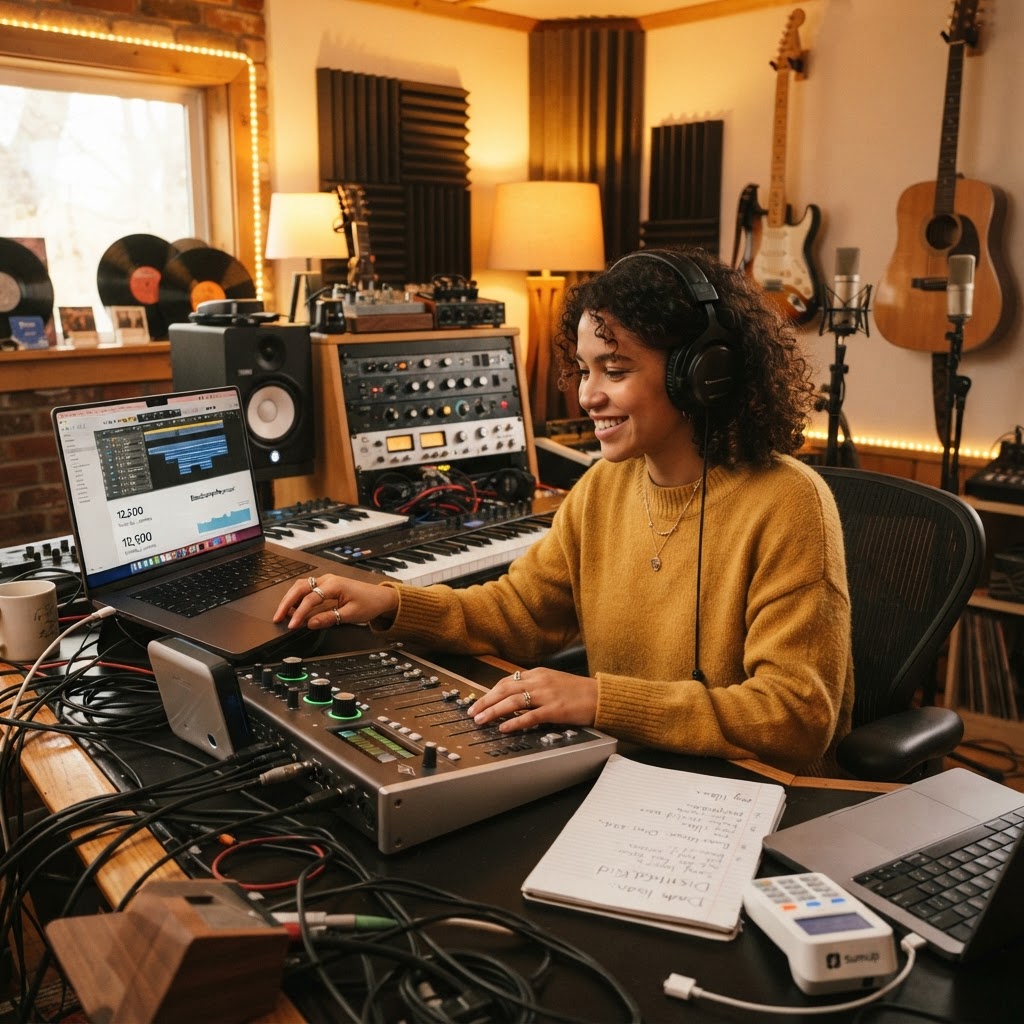
How to Get Sync Licensing Deals for Independent Music
You have spent thousands on production and countless hours refining your sound, yet your bank account remains stagnant because you are constantly asking, how to get sync licensing deals for independent music? The frustration of creating art that gets lost in the digital abyss is real, especially when you see major placements in Netflix series or brand commercials going to artists who seem no more talented than you. The missing link isn't luck; it is a fundamental misunderstanding of the sync ecosystem. To secure a sync placement, you must treat your music like a searchable product. Supervisors need high-quality, instrumental-ready files, precise metadata, and clear master/publishing ownership. By optimizing your tracks for searchability and utilizing platforms like SongBiz to manage your outreach and release assets, you move from an unknown independent artist to a viable commercial asset for music supervisors worldwide.
Why Most Independent Artists Fail at Sync Licensing
The primary reason artists fail to land sync deals is that they operate under the assumption that music supervisors are listening to music to "discover" new talent. They are not. They are solving a specific narrative problem within a high-pressure deadline. When an editor needs a "cynical, lo-fi indie rock track for a breakup scene under 2:30," they do not search for "cool new bands." They search their database for those exact tags. If your files are not tagged, they simply do not exist in the supervisor's workflow.
Furthermore, independent artists often fail to understand the "100% Control" threshold. In the professional sync world, if there is even a 1% ambiguity regarding who owns the master or the publishing, the song is considered "radioactive" by legal departments at major studios. If you have not obtained clear, signed split sheets from your collaborators, you are effectively barring yourself from 90% of the industry. Professionals use SongBiz to catalog these legal clearances so that when an inquiry comes in, they can provide a legal "clean slate" document within minutes, not days.
How do music supervisors find songs for film and TV?
Music supervisors use specialized databases and curated libraries. They rely on high-fidelity, production-ready tracks where the licensing rights are "pre-cleared" or easily accessible. They need to know immediately who controls both the master (recording) and the publishing (composition). If your metadata is incomplete—lacking ISRC codes, contact info, or clear descriptors—your song will be skipped regardless of its quality. This is where professional organization becomes your biggest competitive advantage.
Insider Truth: A supervisor will never hunt for rights owners. If it takes more than 30 seconds to find the person who can clear the sync, they will move to the next song in the search result.
How to Get Sync Licensing Deals for Independent Music via Metadata
Metadata is the digital DNA of your track. If you are wondering how to get sync licensing deals for independent music, you must stop viewing your audio as just an mp3. Every file you send must be embedded with complete metadata, including composer information, contact details, and, most importantly, mood-based descriptors. Use standard formats like ID3 tags to ensure this info sticks to the file wherever it travels.
The benchmark for success here is "The Searchability Metric." Your file name should never be "Final_Mix_V2.wav." It must be structured as: [ArtistName] - [SongTitle] - [Tempo] - [Key] - [Mood/Genre Tags]. For example: "The Neon Echo - Midnight Drive - 120BPM - Dmin - Synthwave, Nostalgic, Driving.wav." When a supervisor drops this file into an editing timeline, the information follows the file. This simple naming convention reduces the cognitive load on the supervisor, increasing your likelihood of being picked. Always include an "Instrumental" and a "TV Edit" (which usually involves removing aggressive lyrical content that might distract from dialogue) as separate files within your delivery folder.
What specific metadata tags do supervisors look for?
Supervisors search using "niche" descriptors. Avoid generic terms like "good" or "fun." Instead, use specific tags such as: "upbeat, male vocal, 120BPM, cinematic, building tension, bright, synth-pop." Furthermore, ensure you provide "alt versions" of every track. A "clean" version (no swearing), an "instrumental" version (no vocals), and a "stems" package (drums-only, bass-only, etc.) will increase your chances of placement by over 400% compared to submitting a single standard vocal mix.
How does the "stems" requirement change the licensing landscape?
Providing stems allows editors to manipulate your track to fit specific scene lengths. If a scene requires the music to drop out during a dialogue-heavy moment, an editor with stems can mute the lead melody while keeping the rhythm section. This flexibility turns your song into a "utility tool," making it vastly more attractive than a flat, locked stereo file.
The Pro Strategy: How to Get Sync Licensing Deals for Independent Music
To scale, you need to treat your catalog like a library. Start by organizing your best 20 tracks into a clean, searchable spreadsheet. Include columns for BPM, key, tempo, genre, and a direct link to a private, high-quality stream like DISCO or a clean Google Drive folder. Use the SongBiz all-in-one platform to maintain your presence, as having a professional EPK that links to your music is a requirement for serious consideration. When you pitch, do not just send a link; provide a clear call to action regarding the licensing status.
The industry benchmark for a successful sync-ready catalog is having at least three "vibes" covered: cinematic/atmospheric (for underscoring), high-energy (for action/commercials), and vocal-driven (for montages). Most independent artists fail because they only offer vocal tracks. However, the most frequent placement requests are for "underscore"—music that sets a mood without cluttering the frequency range where human voices exist. Creating instrumental versions of your songs that specifically duck or reduce mid-range frequencies can be a massive leverage point for landing recurring placement in reality TV, which requires hundreds of hours of background music every season.
How do you find contact information for music supervisors?
Stop emailing random production companies. Instead, look at the end credits of shows you admire and find the "Music Supervisor" credit. Look them up on LinkedIn or their agency website. Most importantly, follow their specific submission guidelines. If they say "no unsolicited music," do not send it. If you have the SongBiz dashboard, you can leverage professional outreach tools that help you manage these relationships without the chaos of cold emailing.
Pro Tip: Focus on small-to-mid-tier production houses first. They are often more willing to take a chance on an independent artist than the major studios, and these placements build the professional credits you need to land larger deals later.
Building a Portfolio that Attracts Sync Placements
SongBiz for Artists
Pitch your music to vetted curators and PR outlets — all in one platform
SongBiz handles playlist pitching, press outreach, booking, grant funding, and AI content creation so you can focus on making music. No label required. Start free and launch your first campaign in minutes.
Start free with SongBiz →If you want to know how to get sync licensing deals for independent music, you must build a portfolio that sounds like a library. This means diversifying your output. If you only write slow, sad indie songs, you are limiting your market. A versatile portfolio—one that includes upbeat pop, tension-filled underscore, and atmospheric textures—is much more valuable to a production team. AI Content Studio tools are excellent for generating these additional textures, allowing you to flesh out your catalog without needing to spend thousands in studio time for every single variation.
You should aim for a "High-Frequency Output" model. Music supervisors aren't looking for one-hit wonders; they are looking for reliable partners who can deliver consistent quality. Aim to release or finalize at least two new "sync-ready" tracks every month. By building a library that hits 50+ tracks within two years, you hit the critical mass where supervisors can browse your catalog for a specific project. At this scale, you transition from "cold-pitching" to becoming a "known library asset."
Is sync licensing profitable for small independent artists?
Sync is often the most lucrative revenue stream for independent artists. A single placement in a national commercial can pay anywhere from $1,000 to $20,000+ depending on the usage (local vs. national, web vs. TV). Even smaller placements in reality TV shows generate ongoing performance royalties through PROs (like ASCAP or BMI) that continue to pay out long after the initial fee. You must ensure you are registered with a PRO to collect these royalties.
Why should an independent artist focus on "micro-licensing"?
Micro-licensing platforms offer lower upfront fees but are vital for building a track record. While a $50-100 fee seems small, it gets your song into global databases and YouTube Content ID systems. This establishes legitimacy and generates "usage history" that larger supervisors will see when they look you up. It is an investment in your metadata portfolio.
Refining Your Outreach: The Pitching Threshold
You cannot effectively pitch if you do not have a brand. Music supervisors research artists before clearing them. They check your socials and your streaming stats. If your Spotify looks empty, they may be less likely to trust your professionalism. Use Meta BOOST tools to run music-optimized ad campaigns to build your listener base, signaling to the industry that you are an active, growing artist. A conversion rate of 2-5% on your ads is a strong benchmark that indicates your music is connecting with a real audience.
When pitching, remember the "Three-Second Rule." Supervisors make a decision within three seconds of hearing your track. Your music must have an immediate hook or a clear, defining mood in the first few bars. Do not save the best part of the song for the bridge; start with the energy that defines the track. If you are sending a portfolio link via SongBiz, ensure that your featured tracks are your most "syncable" ones, not necessarily your "personal favorites." Sync is objective, not subjective.
FAQ: Mastering Sync Licensing
Do I need an exclusive library to get sync? No. Exclusive libraries require you to give up rights to your music. As an independent, it is often better to keep your rights and pitch to non-exclusive libraries or directly to supervisors until you reach a point where a major label offers you a deal you cannot refuse.
How many songs should I have in my catalog? You should have at least 15-20 high-quality, "synchable" tracks before you start aggressive outreach. Quality is far more important than quantity; one perfectly produced instrumental is worth more than 50 mediocre demo tracks that lack clear mixing.
How do I handle the master and publishing rights? You must own or control both. If you have collaborators, make sure you have written split sheets signed for every song. If you cannot prove 100% ownership, a supervisor cannot clear your song, and it will be rejected immediately to avoid legal risk.
What is the best way to track my sync royalties? You must be registered with a PRO and a sound exchange entity. These organizations track the usage of your music on television and radio. Always ensure your ISRC and ISWC codes are updated in your metadata and registered in your PRO portal to avoid missing payments.
How long does it take to see the first sync check after a placement? Sync payments typically arrive 90 to 180 days after the initial air date of the placement. Performance royalties from PROs are distributed on a quarterly schedule, usually following a six-to-nine-month lag time after the broadcast. Patience is essential; sync is a long-term revenue strategy rather than a source of immediate liquidity.
Finalizing Your Professional Workflow
To truly master how to get sync licensing deals for independent music, you must maintain a "ready-to-go" digital environment. When a supervisor contacts you, they are often on a ticking clock. If they need a quote, a W-9 form, or an instrumental version within two hours, your response time determines if you get the gig. SongBiz allows you to centralize these documents so that your response is professional and instantaneous. By standardizing your file delivery and legal documentation, you demonstrate that you are a reliable professional, which is the quality that will keep supervisors coming back to you for every future project.
Build your music career without a label
Join thousands of independent artists using SongBiz to get playlist placements, press coverage, booking deals, and grant funding — all from one platform. Start free today.
SongBiz Professional — Pitch. Press. Play. The all-in-one music marketing platform for independent artists. Playlist pitching, PR outreach, booking, grant funding, and AI content creation. Start free →