How to Grow a Niche Music Playlist: Insider Tips for Curators
Every music curator knows the frustration: you start creating a niche playlist, but it stalls at just a few followers, no matter how much time you put into it. Perhaps you've built a collection of curated songs but are unsure how to boost visibility and attract engagement. The truth is, growing a niche music playlist involves understanding specific Spotify algorithms and user behaviors. In this guide, we’ll dive into how to grow a niche music playlist effectively, utilizing insider insights and proven tactics.
The Obstacle: Understanding Spotify’s Algorithm

Spotify’s platform rewards engagement metrics significantly more than follower counts. New curators often overlook this, focusing on quantity over quality. It's essential to understand that Spotify's follower algorithm heavily weighs the engagement-to-follower ratio. If you're not hitting at least a 10% engagement rate (meaning 10 streams for every 100 followers), your playlist will struggle to gain traction.
Actionable Steps:
- Analyze your current engagement rates to identify areas for improvement.
- Use catchy titles and optimized descriptions to attract clicks.
- Target micro-genres to reduce competition and enhance niche appeal.
- Reach out to artists from your playlist for shares and highlights.
- Implement music tagging strategies to resonate with specific listener emotions.
Mastering the 7-Day Freshness Window
Each new track added to your playlist has a "freshness" window of about seven days. If promoted during this time, you can capture a larger share of streams. To leverage this, you should plan your additions strategically, aiming for peak listening times when user activity surges – typically between Friday and Sunday evenings.
Incorporate at least three new songs into your playlist weekly to stay relevant; this not only maintains listener interest but also signals to Spotify that your playlist is actively curated.
How to Write Engaging Reviews
Quality reviews can dramatically improve how many submissions you receive for your playlist. Rather than simply saying “great song,” delve into the song's emotional resonance, the artist's background, and how it aligns with your playlist’s theme. Providing meaningful critiques gives artists a reason to share your playlist, extending your reach.
Pro Review Tip: Acknowledge submission artists in your reviews. Personalization enhances a curator’s reputation, thus improving submission quality.
Targeting Playlist Titles and Descriptions
Titles and descriptions must be optimized for discoverability. Research shows that keyword-rich titles increase the chances of being found by music seekers. Try to incorporate prime keywords within the first 60 characters. For instance, include emotional appeal in your description to connect listeners to the music.
Actionable Steps:
- Use at least 3 descriptive keywords relevant to your niche in the title.
- Create subtitles or teaser descriptions that evoke curiosity.
- Maintain a consistent stylistic theme across your playlist descriptions.
Understanding Mood Tagging Psychology
Mood tagging is pivotal for tailoring playlists to listener emotions. Studies indicate that playlists tagged with relatable moods increase saves by over 40%. When creating playlists, utilize the mood tags that align precisely with listener emotions your tracks evoke.
Actionable Steps:
- Identify the predominant emotions of your featured songs.
- Tag playlists according to common emotional experiences your audience connects with.
- Fit the playlist flow according to this emotional spectrum to enhance user retention.
The Psychology of Cover Art
Cover art can significantly influence click-through rates on Spotify. Data reveals that playlists with compelling visuals see an 18% increase in user engagement. Ensure your cover art is striking, relevant, and relates to the genre. Consider color psychology: vibrant colors can attract attention, while softer hues can invite relaxation.
Actionable Steps:
- Use high-resolution, professional images to enhance visual attraction.
- Test different color schemes based on demographic reactions.
- Create a conceptual link between your cover art and playlist theme.
Engagement Rate Thresholds for Success
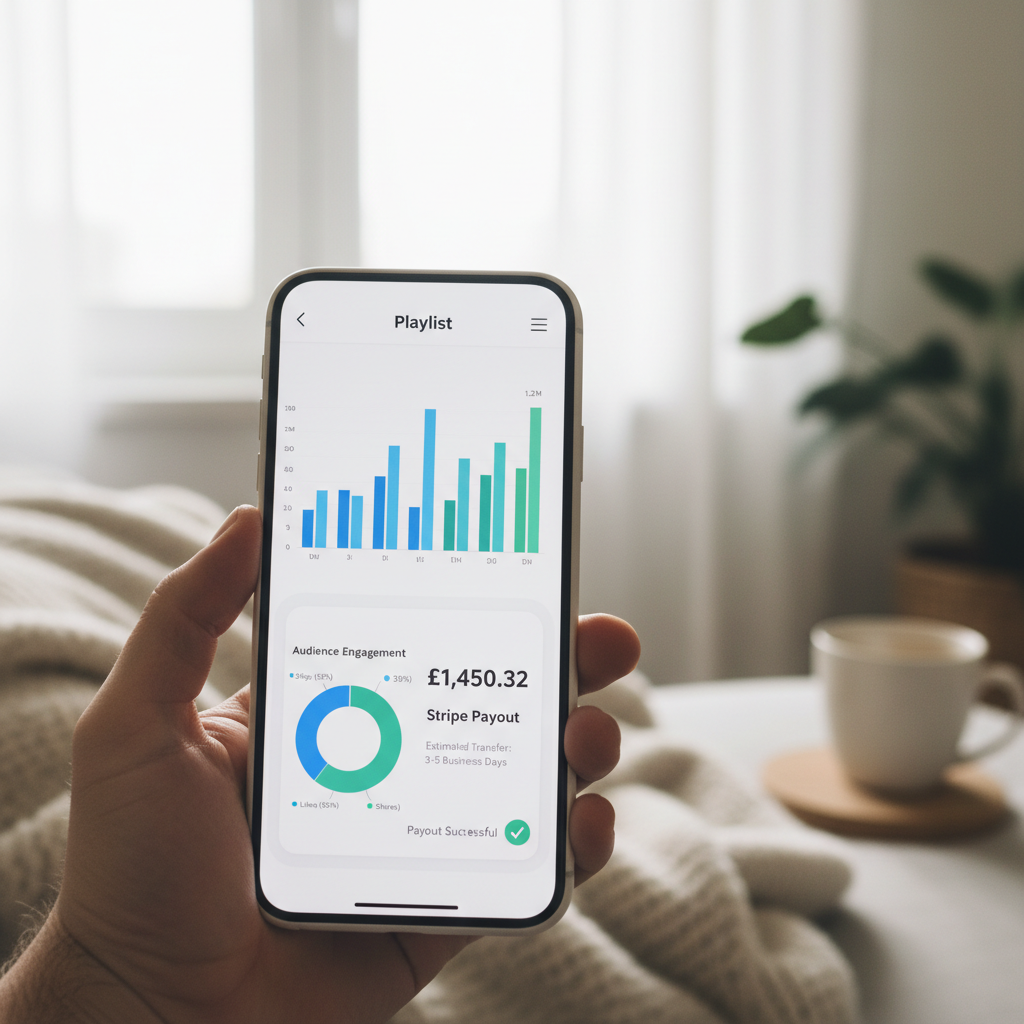
Having a minimum viable engagement rate is crucial before considering monetization. Aim for an engagement rate of at least 15% before seeking monetary partnerships, as this positions your playlist as a credible platform. Pay attention to how often listeners are coming back; repeat engagement signals reliability to Spotify's algorithm.
Actionable Steps:
- Monitor streams and likes relative to your follower counts.
- Utilize analytics tools to gain insights into listener behavior.
- Regularly update your playlists based on performance data.
Optimal Timing for Adding Songs
Genre trends reveal that playlist alterations made on Fridays at 3 PM local time often spike streams due to weekend listening habits. Keeping an eye on your specific audience allows you to find the best days to re-engage them.
With the right insights into the algorithmic preferences of Spotify, institutions like SongBiz Pro offer straightforward solutions. Paid reviews incentivize artists to engage with your playlists, benefitting curators who contribute meaningful critiques.
Creating a Playlist Arc
Playlist structure by energy levels helps reduce skip rates. By crafting a flow – starting with mellow tracks, building up to high-energy songs, and concluding with calming tunes – listeners are less likely to skip out midway. This natural progression keeps audiences captivated, enhancing their overall experience.
Actionable Steps:
- Map out the energy levels of songs beforehand.
- Reorganize your playlist to facilitate a natural progression.
- Use analytics tools to determine skip rates and adjust accordingly.
Reputational Signals in Spotify's Tier System

Spotify elevates curators who consistently receive high engagement rates and user-generated share feedback. To get recognized, maintain integrity in your curation, provide quality reviews, and engage with artists. Systematic high ratings signal to Spotify that your playlist deserves prominence.
Consider platforms like SongBiz for additional support in gaining recognition. Each review can provide essential data for building your reputation in the industry.
Conclusion
For dedicated curators, knowing how to grow a niche music playlist intricately connects to the understanding of industry dynamics, user behavior, and platform mechanics. By implementing these strategies effectively, you’ll be well on your way to building a thriving music community that resonates with listeners and engages artists alike.
FAQ
What is the best way to promote my niche playlist?
Utilizing social media platforms to share your playlist and actively participating in music forums can amplify reach. Collaborating with artists can also boost visibility significantly.
How many songs should I have in my niche playlist?
Aim for 25 to 50 songs, updating frequently. This range keeps the playlist manageable while offering enough variety to engage listeners without overwhelming them.
How often should I update my playlist?
To maintain relevance, update your playlist at least once a week, refreshing a few tracks to keep the content engaging while adhering to Spotify's freshness window.
Can I make money from my niche playlist?
Yes, monetization is possible when you achieve a minimum engagement rate. Services that offer paid reviews can also help as they incentivize more quality interactions with artists.
Engagement is key—without it, your playlist may become stagnant. Keep monitor your analytics constantly!
Data shows that playlists that update every week engage listeners up to 40% more effectively.
For more direct support, consider platforms like SongBiz Pro, which provide a straightforward way to earn $16 per review while also ensuring you remain at the forefront of niche playlist growth. This can be particularly beneficial as you scale your efforts and connect with a larger network. Sign up free → https://songbizpro.com/curatorsignup
Additionally, tools like Spotify for Artists, Chartmetric, and Soundiiz can aid in tracking analytics and managing your playlists more efficiently.


