How to Pitch Your Music to Music Publications Without Being Ignored
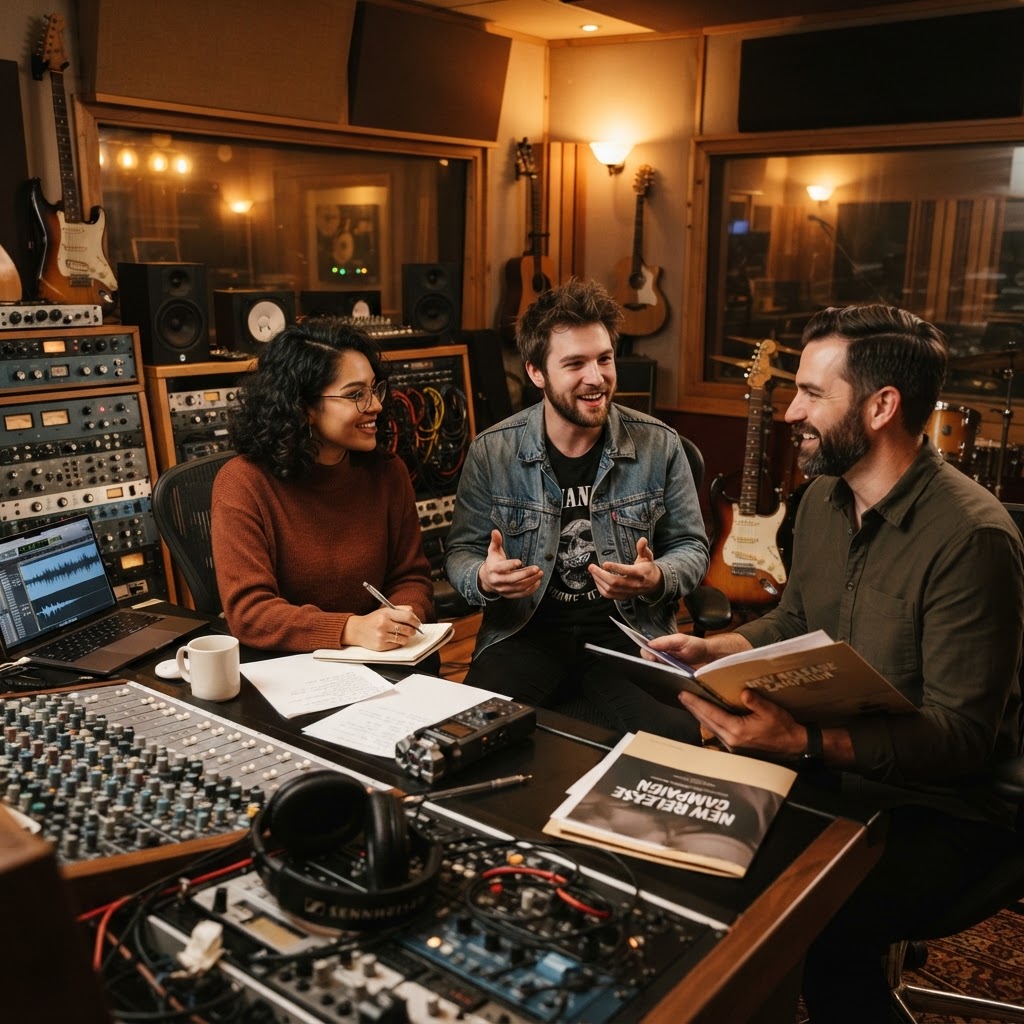
You have spent months writing, recording, and mixing your latest track. You send a personalized email to twenty tastemaker blogs, hit send, and then—crickets. The problem isn't your music; it is your approach. Most independent artists fail because they treat PR as a generic blast rather than a precise, data-driven business transaction. When you learn how to pitch your music to music publications, you stop being a nuisance and start being a resource for busy editors. To successfully pitch your music to music publications, focus on providing a 'ready-to-publish' package. Research specific writers who cover your micro-genre, craft a subject line that solves their need for content, provide high-quality press assets, and include a unique, verifiable 'hook'—such as a specific touring milestone, a notable production credit, or a viral social campaign—that justifies the coverage.
Understanding Why Your Emails Get Deleted
The average music editor at a mid-tier publication receives between 100 and 300 pitches daily. Your email has approximately 3 seconds to prove its worth before it is archived or deleted. Most artists trigger an immediate 'delete' by using generic subject lines, attaching massive .wav files, or failing to identify the writer's beat. Understanding the internal mechanics of a newsroom is essential; editors are not gatekeepers of taste, they are managers of attention. If your email requires them to spend extra time formatting photos or hunting for your socials, you have already lost. SongBiz simplifies this by centralizing your assets, ensuring that your pitch is a seamless addition to their workflow rather than an administrative burden.
Why do music journalists ignore most independent artist pitches?
Journalists are under immense pressure to drive traffic and maintain site authority. They aren't looking for a 'great song'—they are looking for a story that aligns with their publication’s audience metrics. If your pitch doesn't mention their previous coverage of similar artists or provide a clear angle that fits their editorial calendar, you are invisible. SongBiz solves this by providing direct, vetted access to PR outlets and playlist curators through one dashboard, ensuring your music lands in front of people who are already primed to listen.
Pro Tip: Never attach a file to your first email. Always use a private, trackable streaming link (like a hidden SoundCloud or Dropbox link) and a link to a digital press kit (EPK).
How to Build a Targeted Press List for Your Genre
Stop emailing 'everybody' and start emailing 'the right body.' A list of 20 writers who cover your specific micro-genre is worth 200 generic music bloggers. Start by using tools like Chartmetric or HypeMachine to identify which blogs are currently covering artists similar to you in stream count and sonic profile. Once you have identified them, use the AI Content Studio within SongBiz to generate press-ready artist bios and campaign assets that stand out in a crowded inbox. Building a database is a long-term investment. Aim for a "tier-based" outreach system: Tier 1 are your dream publications (long lead time), Tier 2 are niche genre-specific blogs (moderate lead time), and Tier 3 are community-based platforms. By managing these tiers within the SongBiz dashboard, you ensure that you aren't "burning" a high-profile contact with a premature pitch while maintaining a steady flow of content for your core fanbase.
How do I find contact information for specific music writers?
Public-facing 'contact@' emails are graveyards. Use LinkedIn to find the editorial staff of the publications you desire. Look for 'Contributors' or 'Staff Writers.' Often, their professional emails follow a standard format (e.g., firstname.lastname@domain.com). If you are struggling to manage this outreach manually, remember that the SongBiz platform connects you to vetted media contacts, streamlining the process so you can focus on the music.
The Anatomy of a High-Conversion Pitch Email
A pitch is not a press release; it is a professional introduction. Your email must be under 200 words. Period. Editors operate on a "read-and-delete" basis; they do not have time for deep-dives into your musical history. Your email must highlight the 'Why Now'—the catalyst for the coverage.
- Subject Line: Must be descriptive and punchy. Avoid clickbait. Example: "Premiere Request: [Genre] Artist [Name] - [Song Title] - Similar to [Artist A] & [Artist B]"
- The Hook: Mention exactly why you are emailing *them*. Did they write a great piece on a similar artist last month? Cite it by title. This proves you read their work.
- The Assets: Provide a clean link to your EPK. If you don't have one, SongBiz creates the professional infrastructure needed for independent artists to look like they have label backing.
- The CTA: Keep it low pressure. "Would you be interested in a premiere or a feature for this release?"
The '10-Percent Rule': If you reach out to 100 outlets with a well-researched, personalized pitch, you should aim for a 5-10% response rate. If your response rate is lower than 2%, your pitch angle, not your music, is likely the issue.
Leveraging Data to Validate Your Worth
SongBiz for Artists
Pitch your music to vetted curators and PR outlets — all in one platform
SongBiz handles playlist pitching, press outreach, booking, grant funding, and AI content creation so you can focus on making music. No label required. Start free and launch your first campaign in minutes.
Start free with SongBiz →Before you pitch, you must pass the "relevance test." Music publications want to cover artists who already have 'heat.' If you pitch an editor and they find 10 monthly listeners on your Spotify, they will pass. Use Meta BOOST on the SongBiz dashboard to run music-optimized ads targeting micro-genre enthusiasts. Even a small budget ($5-$10/day) can drive enough consistent streams and engagement to make your profile look established. When a journalist clicks your link, they are looking for "proof of life"—a vibrant Instagram following, healthy Spotify stream growth, or a mention on a reputable playlist. If your data metrics show growth, you are no longer just an artist; you are a rising trend. Use SongBiz analytics to capture these snapshots of growth and include them as a single, bold bullet point in your pitch: "Growing at 15% month-over-month on Spotify with heavy support from [X] playlist."
Strategic Timing and the Editorial Calendar
Timing is the most overlooked variable in learning how to pitch your music to music publications. Most artists operate on their own calendar, but publications operate on an editorial calendar. Do not send your pitch the day of your release. For an exclusive premiere, reach out 3-4 weeks in advance. This gives the writer time to listen, write, and slot you into their post schedule without feeling rushed. For standard coverage, 2 weeks is the industry standard. If you are a completely unknown artist, you need this lead time to give editors the opportunity to listen, request quotes, and fit your release into their editorial pipeline. If you email on a Monday morning, you are competing with every agency in the industry. Consider sending your pitches on Tuesday or Wednesday afternoon when the initial inbox deluge has subsided and editors are actively searching for late-week or weekend content.
Managing Your PR Outreach at Scale
Manual outreach is exhausting, but it is necessary for career sustainability. As your career grows, you need to track who opened your emails and who responded. Use a CRM or a structured spreadsheet to log every outreach attempt, including the date of the pitch, the date of the follow-up, and the response received. However, if you are building your career without a label, the administrative load can kill your creativity. Using an all-in-one platform like SongBiz allows you to manage playlist pitching and PR outreach from a single, transparent dashboard, ensuring you never miss a follow-up. A missed follow-up is often a missed feature. By automating the tracking process, SongBiz allows you to focus on the creative side while maintaining the professional rigor expected of an artist with an agency behind them.
What is the most effective follow-up strategy for music PR?
Follow up exactly once, exactly 5-7 days after your initial email. Keep it short: "Hi [Name], just checking in to see if you had a chance to listen to the new track? No worries if it's not a fit, just wanted to ensure it didn't get buried. Best, [Name]." If they do not respond after the follow-up, move on. Persistence is good, but spamming is career suicide.
How should I handle rejection from a music publication?
Rejection is rarely a reflection of your talent; it is a matter of editorial fit. If a writer rejects your track, thank them for their time and leave the door open. Reply: "Thanks for the quick response. I appreciate the feedback. I'll keep your beat in mind for my next release." This professional courtesy keeps you on their radar for the next cycle.
Frequently Asked Questions About Pitching Music
How early should I start pitching my music before a release?
For high-tier publications, you need to pitch 4-6 weeks in advance. For independent blogs and niche outlets, 2-3 weeks is sufficient. Pitching too late (less than a week before release) usually guarantees that your email will be ignored because the editor's calendar is already locked.
What should be in my Digital Press Kit (EPK) when pitching?
Your EPK must include high-resolution press photos, a short (150-word) biography, links to your socials, a private streaming link for the track, and a clear 'About' section with your major influences. SongBiz allows you to generate high-quality visual content quickly, which makes your EPK look professional even if you are just starting out.
How do I know if a music publication is worth pitching to?
Check the publication's 'About' page and their recent output. If they don't cover your genre or if their last five posts have low engagement (comments/shares), move on. Focus on publications that have a loyal, active readership in your specific micro-genre, as these are the ones that actually drive streams and fan conversion.
Do I really need a professional publicist to get coverage?
No. While publicists have established relationships, they often charge thousands of dollars in retainers. You can replicate the outreach process by being hyper-targeted, personalizing every email, and using tools like SongBiz to manage your PR and playlist pitching. Results come from consistent, professional outreach, not a massive agency budget.
How do I craft a "hook" if I have no major touring or label backing?
If you lack traditional milestones, emphasize your "story." This could be an unconventional production method, a unique collaborative process, a significant social media growth trend, or a compelling personal mission behind the music. Editors prioritize unique angles that feel "fresh." Use the SongBiz AI tools to extract these narrative elements from your background to ensure your pitch feels distinct and human.
Developing Long-Term Media Relationships
The ultimate goal is not just a single feature on one blog; it is building a roster of media contacts who look forward to your releases. Once you secure coverage, share the piece on your social media platforms and tag the writer and the publication. This shows that you are a supportive artist who understands the symbiotic nature of the music industry. When you become a known quantity in an editor’s inbox—someone who provides high-quality, on-time, and relevant music—you move from being a stranger in their inbox to a trusted source. SongBiz assists in this transition by ensuring your brand assets are consistent and your communication is organized. Eventually, you may even find that editors reach out to *you* for exclusive news or comments because you have established yourself as a reliable, high-quality artist. Stay the course, keep your outreach personalized, and treat every pitch as a professional partnership rather than a favor request.
Build your music career without a label
Join thousands of independent artists using SongBiz to get playlist placements, press coverage, booking deals, and grant funding — all from one platform. Start free today.
SongBiz Professional — Pitch. Press. Play. The all-in-one music marketing platform for independent artists. Playlist pitching, PR outreach, booking, grant funding, and AI content creation. Start free →