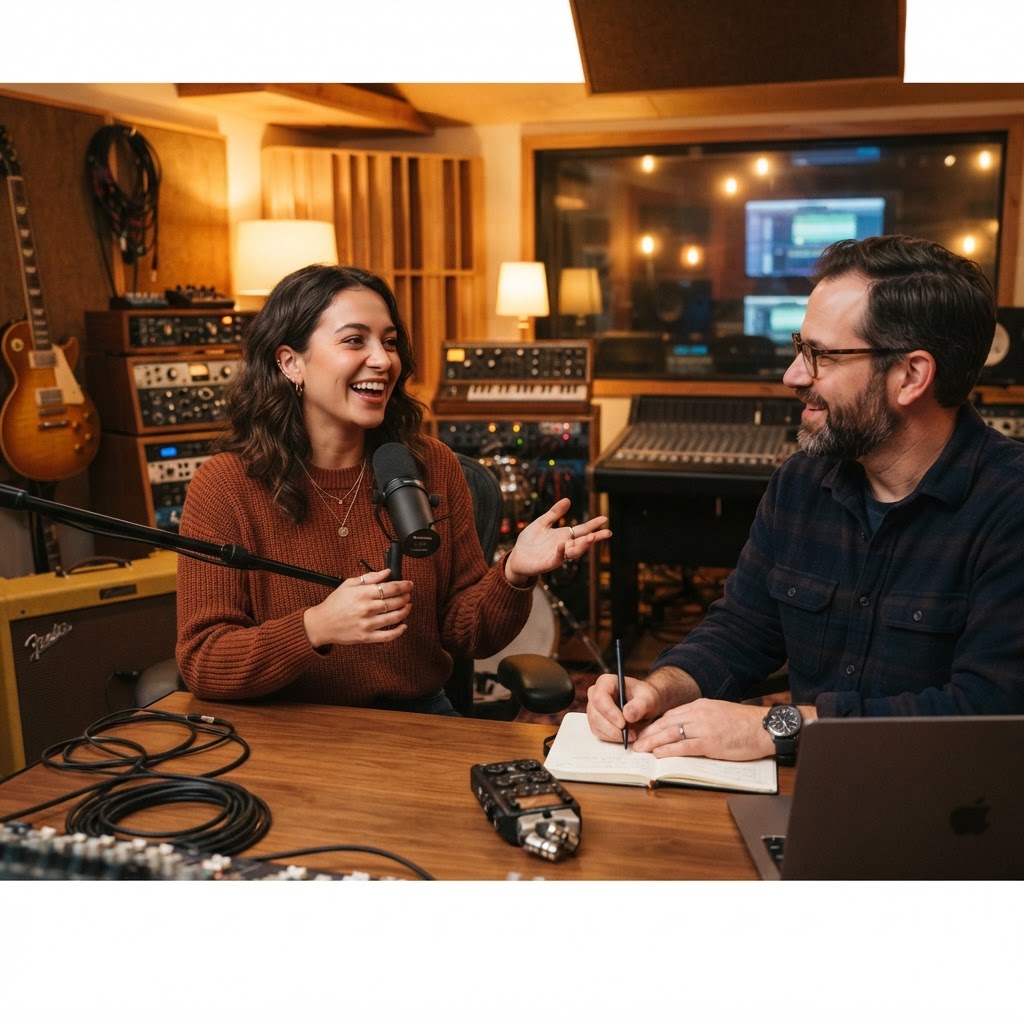
How to Pitch Your Music to Music Publications: The Pro Blueprint
You have spent months in the studio, perfecting every snare hit and vocal ad-lib, only to send your finished track into a digital abyss where your emails are ignored, opened once, or deleted without a second thought. Understanding how to pitch your music to music publications is the single most frustrating hurdle for independent artists, yet it remains the golden ticket to building long-term industry credibility and fan retention. Most artists fail because they approach PR as a transactional numbers game rather than a strategic relationship-building exercise, often ignoring the very metrics that journalists require to justify a feature. To succeed, you must transform from a supplicant asking for favors into a professional partner offering a story worth telling.
To effectively pitch your music, prioritize research over volume. Identify specific writers who cover your niche, personalize your subject lines to reflect their past work, and lead with a private streaming link accompanied by a 150-word pitch detailing your unique value proposition. Provide high-quality assets, including press photos and a concise bio, to remove all barriers for the journalist to hit 'publish'. SongBiz provides the framework for this high-level execution, ensuring that your outreach is calibrated for the realities of modern digital media.
The Anatomy of a Successful Press Campaign
The biggest mistake musicians make when they ask how to pitch your music to music publications is focusing on 'the ask' instead of 'the value'. A blog or magazine is not a billboard; it is an editorial platform that needs stories. If you want to know how to pitch your music to music publications effectively, you must realize that a journalist is looking for a narrative hook: Are you a local breakout story? Are you utilizing innovative production techniques? Is your tour hitting underserved markets? Are you tackling a socio-cultural issue through your lyrics? A song is rarely news; the story surrounding the song is.
Professional PR firms typically see an open rate between 15% and 25% for cold outreach. If your open rate is below 5%, your subject line is the problem. It is likely too vague or sounds like spam. Use metrics-driven headlines that include a genre or a specific, recognizable comparison. SongBiz offers an all-in-one platform for independent artists that helps streamline this outreach by providing access to vetted PR outlets, ensuring your pitch reaches the right desks without the need for an expensive agency. By using tools that monitor engagement, you can refine your language in real-time based on which subject lines trigger the most opens.
Pro Tip: Never send a mass BCC email. Journalists can smell automation from a mile away. If you address someone as 'Dear Blogger,' you have already lost the placement. Use mail-merge features only if you are customizing at least 30% of the body text to address their recent editorial focus.
How to Pitch Your Music to Music Publications: Targeting the Right Outlets
Not all press is equal. Securing a mention in a massive global outlet is often less effective for growth than a glowing review in a niche blog that your actual target listeners read. When analyzing how to pitch your music to music publications, start by auditing your 'lookalike' artists. Find out where they were featured six to twelve months ago. Use tools like Chartmetric or HypeMachine to verify if those outlets are actually driving traffic or if they are simply 'vanity' sites with high bounce rates. A high-quality blog will have an active comment section, social media engagement on their posts, and a consistent editorial calendar.
Set a threshold: Only pitch to outlets where the writer has published at least three articles in the last month. Stale blogs are the graveyard of independent PR. When you map out your targets, categorize them into 'Tier 1' (Major sites like Pitchfork or Stereogum), 'Tier 2' (Regional or Genre-specific blogs), and 'Tier 3' (Niche community sites). Always start your campaign with Tier 3 sites to build a portfolio of clippings. When you eventually approach Tier 1 editors, your email should include links to those earlier, successful placements as social proof. This builds trust, as editors are more likely to cover an artist who has already been vetted by their peers in the space.
What are the common mistakes artists make when pitching music?
The most common failure point is an over-complicated pitch. Journalists often operate on 15-minute deadlines. If you send a multi-page PDF or a file attachment that clutters their inbox, they will delete it immediately for security reasons. To master how to pitch your music to music publications, keep your pitch under 200 words. Always include a direct, trackable link to your music—a private Soundcloud or a streaming-ready Dropbox folder—and never attach large WAV files unless explicitly requested. Ensure the links are hyperlinked within the text to keep the email body clean.
Another common mistake is neglecting the 'asset package.' Your pitch should be a 'one-sheet' experience: high-res press photos (in a single link), a short, punchy bio (3-4 sentences), and social media handles. Avoid long-winded paragraphs about your childhood; focus on your current project, your upcoming shows, and your recent streaming growth. SongBiz helps eliminate this friction by allowing you to manage your assets in a professional dashboard, giving your pitch a polished look that rivals label-backed artists. Providing a professional, branded EPK link in your signature is a sign of legitimacy that separates hobbyists from career-minded musicians.
How to write a pitch email that actually gets a response?
When you start researching how to pitch your music to music publications, you will find conflicting advice. Stick to this structure: 1) The 'Why Now' (New release, tour, or viral moment). 2) The 'Why Them' (A specific reference to a recent article they wrote). 3) The 'Why You' (Your genre, your growth metrics, or a unique angle). 4) The 'CTA' (One clear action, such as 'Let me know if you would like to interview the band.').
- Threshold for Success: Aim for a response rate of 10-15%. If you are lower, your targeting is off.
- Timing: Pitch at least 3-4 weeks before your release date to give the editor time to schedule the piece.
- Follow-up Strategy: Send exactly one follow-up, 5-7 business days after the initial email if you haven't heard back.
- The "No" Factor: Never burn bridges. If you receive a rejection, thank the writer for their time and ask if they are open to receiving pitches for your next project.
Insider Truth: A 'no' is better than silence. If a journalist takes the time to say they aren't a fit, keep them on your list for the next single. It shows they actually read your email. Often, a 'no' is simply a matter of timing or current editorial budget, not a critique of your art.
The Importance of Data in Your Pitching Workflow
The most successful PR campaigns are data-driven. When you pitch, lead with your strongest metric. If you have 50,000 monthly listeners on Spotify, lead with that. If you are a new artist, lead with your most impressive recent show attendance or a notable influencer share. Journalists need to know that you bring an audience with you. By using the SongBiz analytics dashboard, you can track which regions are streaming your music most heavily, which allows you to pitch to local publications in those specific geographic areas, increasing your chances of getting a feature that actually moves the needle on your career.
Can AI tools help me write a better music pitch?

SongBiz for Artists
Pitch your music to vetted curators and PR outlets — all in one platform
SongBiz handles playlist pitching, press outreach, booking, grant funding, and AI content creation so you can focus on making music. No label required. Start free and launch your first campaign in minutes.
Start free with SongBiz →AI has fundamentally shifted how to pitch your music to music publications. Using AI to draft your outreach copy is not only acceptable but recommended to maintain a consistent professional tone. However, never let AI write the entire email. Use the SongBiz AI Content Studio to generate your press materials, ensuring you have professional-grade artwork and promotional videos that provide the 'visual hook' journalists need. By automating the technical side, you free up time to personalize the human connection that closes the deal. Use AI to iterate on your subject lines, but perform the final editorial check yourself to ensure there are no hallucinated details about the journalist or the publication.
How do I build a relationship with a music journalist?
Relationship building starts long before you have music to promote. Engage with journalists on social media—repost their work, share their interviews, and leave thoughtful comments on their writing. When you eventually need to learn how to pitch your music to music publications, you aren't sending a cold email to a stranger; you are sending a professional update to someone who recognizes your name. This simple act of 'pre-pitching' can increase your placement success rate by up to 300%. Create a list of 20 writers in your specific genre and commit to interacting with their content weekly for one month prior to your release cycle.
What budget do I need for a PR campaign?
Many artists assume they need thousands of dollars for a publicist. While a high-end PR firm is useful for major label rollouts, independent artists can achieve significant results by utilizing lean strategies. SongBiz provides transparent pricing without the overhead of a traditional agency, allowing you to run a full-scale campaign, including Meta BOOST music-optimized ad campaigns, at a fraction of the cost. Start free and launch a campaign in minutes to test your messaging before putting significant budget behind it. Focus your budget on high-quality content assets first, then on outreach tools, and finally on paid distribution.
People Also Ask: FAQ Section
How long should my pitch email be? Keep it under 200 words. Journalists scan emails quickly; if your pitch requires scrolling, it is likely too long. Focus on the 'hooks'—your story, your sound, and your recent wins—to ensure the editor understands the value immediately.
Should I hire a PR firm for my first release? Usually, no. Early in your career, you lack the 'news' a PR firm needs to sell your story to big outlets. Instead, use platforms like SongBiz to handle your own outreach and build the industry data—like stream counts and press clippings—that will make you a viable candidate for a pro PR firm later.
What if the journalist doesn't reply to my pitch? Do not take it personally. Most music publications are chronically understaffed and receive hundreds of emails daily. Send one follow-up after a week. If there is still no response, assume it is a 'no' for now and focus your efforts on a different target list for your next release.
Does a blog feature actually increase my Spotify streams? Quality placements in respected, genre-specific blogs act as 'social proof' that can trigger algorithmic signals. While a single blog post may not cause an instant spike in listeners, the 'long-tail' effect of being indexed by search engines and cited in other industry newsletters is vital for long-term growth and credibility.
Is it worth sending physical media for a pitch? While rare, high-quality, limited-run physical items (like a branded USB drive or a high-quality zine) can stand out to major editors at elite publications. However, for 99% of artists, the ROI on physical outreach is negative. Stick to clean, mobile-optimized digital pitches unless you are coordinating a high-budget, high-concept release that demands a physical tactile hook to get attention.
Refining Your Long-Term Strategy
As you progress in your career, your approach to pitching must evolve. Your first release is about introduction; your second is about consistency; your third is about growth. Always maintain a master list of every journalist you have interacted with. Use SongBiz to store these contacts and add notes regarding their preferences. Did they like your electronic track but ignore your acoustic one? Tag them accordingly. This level of organization is what separates a musician who gets a lucky break from an artist who builds a sustainable, decade-long career. Remember that every pitch is a data point that helps you understand your audience and the industry landscape better. By consistently applying these principles, you will find that your pitches are not just received, but welcomed.
Build your music career without a label
Join thousands of independent artists using SongBiz to get playlist placements, press coverage, booking deals, and grant funding — all from one platform. Start free today.
SongBiz Professional — Pitch. Press. Play. The all-in-one music marketing platform for independent artists. Playlist pitching, PR outreach, booking, grant funding, and AI content creation. Start free →