Introduction

In today's competitive music landscape, independent artists need to leverage every tool at their disposal to get their music heard. With millions of tracks uploaded to Spotify each week, understanding how the Spotify algorithm works can give you a crucial edge. This article delivers an in-depth analysis of the Spotify algorithm mechanics and offers actionable strategies for music marketing, playlist pitching, and effective audience engagement.
Understanding the Spotify Algorithm
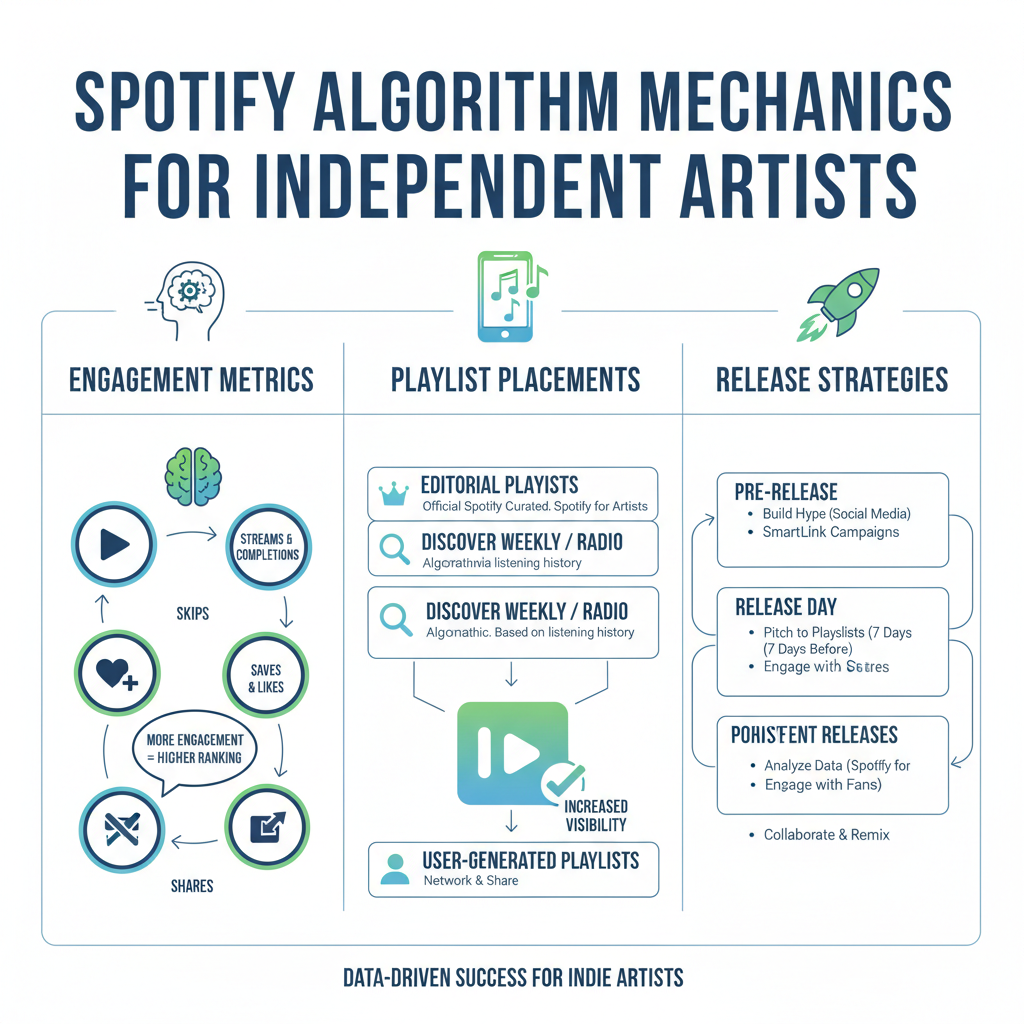
The Spotify algorithm is a complex set of rules and data that determines how music is recommended to listeners. It impacts not only the playlists that your tracks might end up on but also how often your music is surfaced through platform features such as Discover Weekly and Release Radar.
The Key Components of the Algorithm
- Engagement Metrics: Spotify looks at how listeners interact with your music. High skip rates or low completion rates can signal to Spotify that your music isn't resonating with listeners.
- Listener Data: Factors such as the number of playlists your tracks are included in, followers gained, and shares can dramatically impact your visibility.
- Release Frequency: Regular releases can keep your music in circulation, increasing the chances of building momentum and accumulating more plays over time.
Actionable Strategies for Leveraging the Spotify Algorithm
To effectively navigate the Spotify algorithm, follow these actionable strategies:
1. Optimize Your Spotify Profile
Your Spotify profile is the face of your music. Make sure it is complete with a professional artist image, a compelling bio, and links to your social media accounts. Utilize Spotify for Artists to claim your profile and access vital analytics to understand your audience better.
2. Use Playlist Pitching Wisely
Getting your music placed on playlists can dramatically increase your reach. Here’s how you can optimize your pitching:
- Identify playlists that fit the genre and style of your music. Make sure they have a solid following.
- Pitch directly to the curators via social media, expressing genuine interest in their playlists and demonstrating how your music aligns with their aesthetic.
- Consider submitting your album to SongBiz for potential PR and playlist pitching opportunities.
3. Engage and Build Your Audience on Social Media
Social media platforms like Instagram and TikTok are powerful tools to engage with your audience. Utilize features such as Instagram Stories, TikTok challenges, and live performances to create buzz around your releases.
Utilize Instagram Insights and TikTok Analytics to track your engagement and tweak your strategies accordingly.
4. Focus on Email List Building
Email marketing remains one of the most effective ways to communicate directly with your fans. Provide incentives for fans to sign up, such as exclusive content or early access to tickets. Use a free tool like Mailchimp to manage your lists and campaigns.
5. Release Strategies That Work
The way you release your music matters. Consider the following:
- Single Releases: Instead of dropping a full album, release singles consistently to maintain engagement.
- Teasers: Use social media teaser campaigns and behind-the-scenes content to create anticipation.
- Collaborations: Work with other artists to expose your music to their fan base.
Monetization Beyond Streaming
Don’t limit your revenue streams to just streaming. Consider alternative monetization strategies like:
- Offering exclusive merchandise through platforms like Big Cartel.
- Live performances and ticket sales. Set up tours or virtual events for your dedicated fanbase.
- Utilizing platforms like Patreon to offer fans exclusive access to content and behind-the-scenes insights.
Tools to Help You Succeed
Here are some free tools that can assist you in your music marketing journey:
- Spotify for Artists - Official Spotify analytics and insights.
- YouTube Analytics - Understand how your videos are performing.
- Instagram Insights - Track your Instagram engagement.
- TikTok Analytics - Get to know your TikTok audience.
- Canva (Free Plan) - Create stunning visuals for your branding.
- Audacity - Free, open-source audio editing software.
- LANDR (Free Mastering) - Get basic mastering services for your tracks.
- Google Analytics - Track your website engagement if you have a personal site.
- Buffer (Free Plan) - Schedule your social media posts efficiently.
Conclusion: Staying Ahead as an Independent Artist
The music industry is ever-evolving, and independent artists must adapt quickly to keep their audience engaged and grow their careers. By understanding the nuances of the Spotify algorithm, employing effective release strategies, and utilizing social media to their fullest, independent artists can maximize their chances of success.
To give your marketing strategy a boost, check out SongBiz for playlist pitching and PR services tailored specifically for independent artists. Start your music marketing journey today!


