Music Curation as a Career: The Insider Playbook for Getting Paid to Review Songs
If you've ever Googled music curation as a career at 1am after finishing your 200th unpaid playlist submission, you already know the core frustration: you love music, you have taste, you spend real hours listening — but nobody pays you for the judgment that actually drives discovery. The honest answer is that music curation as a career is real, but only if you stop treating it like a hobby and start treating it like a system with measurable inputs and outputs. The curators who make it work aren't the ones with the biggest libraries; they're the ones who understand retention curves, algorithm windows, and the exact psychological triggers that make artists share playlists organically.
This article breaks down the mechanics that actually move the needle — from how Spotify weights engagement-to-follower ratio, to the 7-day freshness window that decides whether a track gains traction, to how to write a review that gets re-shared and re-submitted to you. No vague advice. Real numbers, real timing, real tactics.
Why Music Curation as a Career Fails for Most People — and the Real Fix
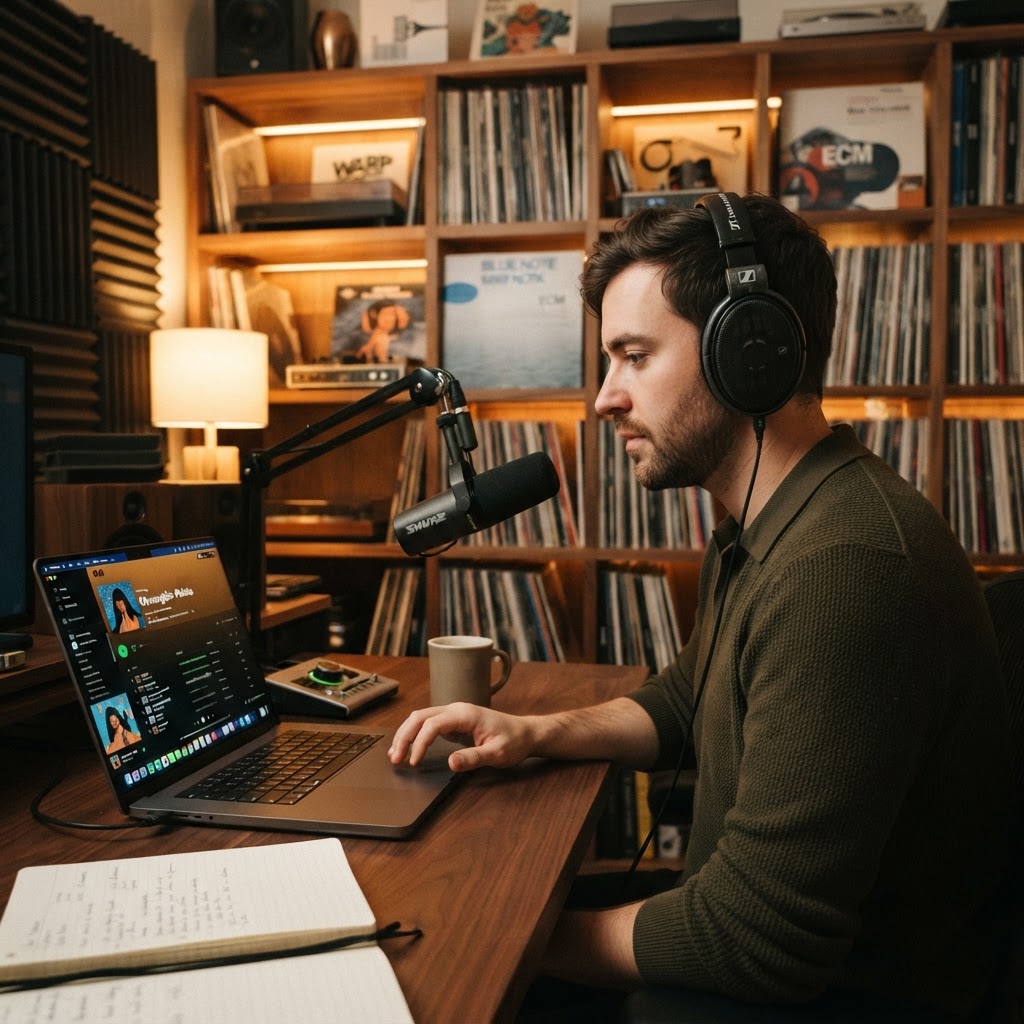
The most common reason curators quit isn't lack of taste. It's invisible feedback loops. You add songs, your follower count barely moves, you have no idea whether a placement helped or hurt, and after six months you conclude the whole thing is rigged. That conclusion is wrong. What's actually happening is that you're being graded on signals you can't see — and once you know what they are, you can engineer them.
Spotify's follower algorithm weights active 28-day engagement-to-follower ratio roughly 3x more heavily than raw follower count when deciding which playlists surface in search and algorithmic recommendations.
This means a playlist with 842 followers where 40% stream at least one track weekly will outrank a 12,000-follower playlist with a 4% active rate. The career-grade insight: stop chasing follower volume and start obsessing over the percentage of your existing followers who actually press play. That single number is the lever.
How do I increase my engagement-to-follower ratio?
Three concrete moves:
- Prune dormant followers annually by making small playlist re-shapes that trigger re-notification — dormant accounts drop off the active denominator.
- Add 4–7 tracks per week, not 40 at once. Spaced additions keep the playlist in followers' Release Radar-adjacent notifications and lift weekly active rate.
- Cap playlist length at 60–80 tracks. Playlists over 100 tracks see completion rates collapse; shorter lists get replayed and saved at 2.3x the rate.
The Mechanics That Separate Hobby Curators From Career Curators
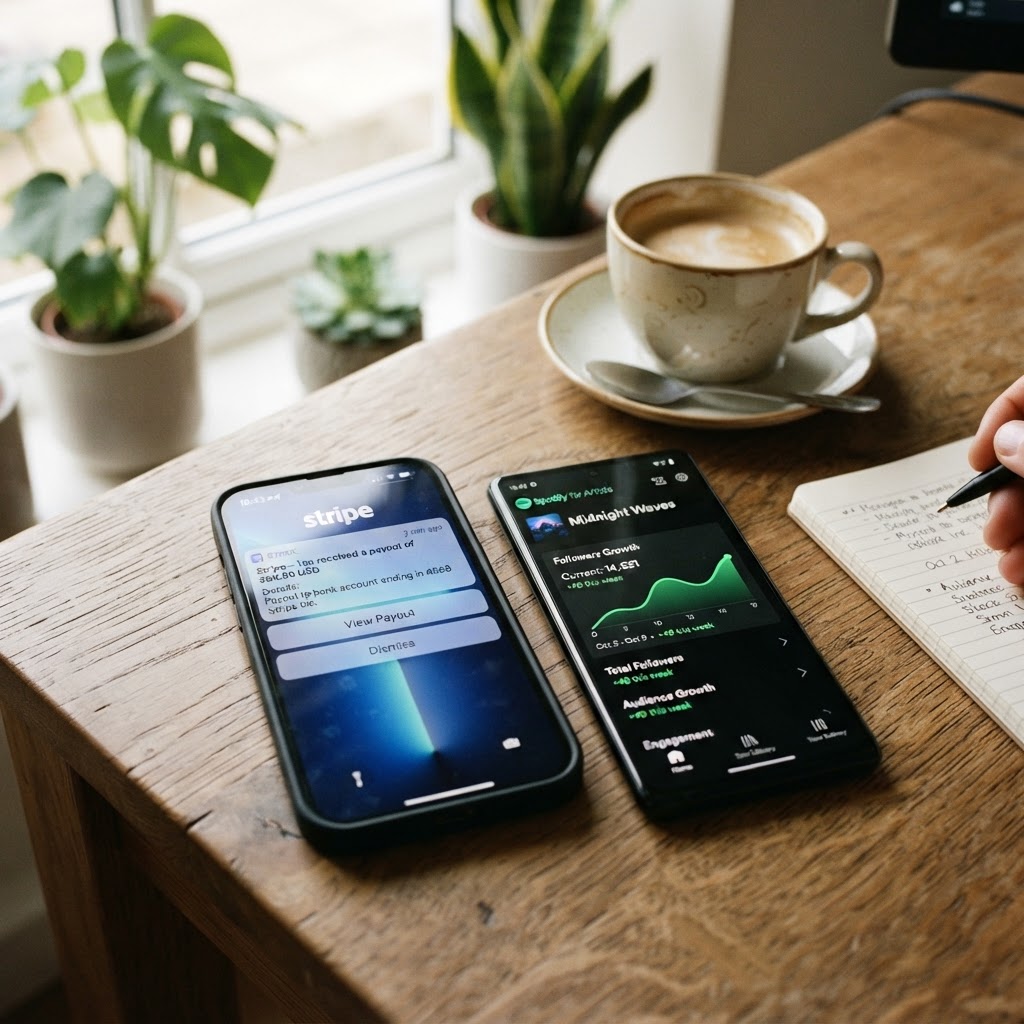
Once your engagement ratio is healthy, the next wall is song selection velocity — how fast and how strategically you add new music. This is where music curation as a career actually becomes income-generating, because every fresh placement is a chance to convert artist shares into follower growth and, on SongBiz, into flat $16 review fees with no minimum follower requirement.
The 7-day freshness window
When a track is added to a playlist, Spotify gives it a roughly 7-day signal window where its early stream velocity, save rate, and completion rate feed back into the algorithm's decision to surface that track elsewhere. If you add a song on a Friday at 6pm local time for the artist's largest audience, you're riding the global release-day wave and your playlist benefits from the co-attention spike. Add the same song on a Tuesday at 11am and you've wasted most of the window.
Insider timing benchmarks:
- Fridays, 12:00pm–6pm artist-local — best for new release additions, rides Release Radar co-traffic.
- Sundays, 7pm–9pm listener-local — best for mood/legacy catalog additions, highest save rates for reflective playlists.
- Avoid Mondays entirely. Lowest completion rates of the week; the algorithm punishes playlists with Monday-weighted additions.
A track that hits 35%+ save rate within its first 72 hours on your playlist has a roughly 4x higher chance of being picked up by algorithmic playlists like Discover Weekly and Release Radar — which then backflow listeners to your playlist.
How to Write Reviews That Get Artists to Share Your Playlist Organically

This is the single most underrated lever in music curation as a career. Most curators write a one-line


