Music Metadata Optimization for Spotify
The frustration is real. You've released 50 songs and yet, somehow, you're still an undiscovered talent. You invested $500 in promotion, but none of your tracks made it onto notable playlists. You're an indie artist who has been grinding for three years and feels invisible on platforms like Spotify. If this sounds familiar, you're likely searching for answers on music metadata optimization Spotify. Fortunately, the solution is straightforward: optimizing your music metadata is crucial for improving your visibility on Spotify, increasing your chances of playlist placements, and ultimately, driving listener engagement.
Understanding the Importance of Music Metadata

Your music's metadata serves as the backbone of your streaming strategy. Properly structured metadata can make or break your chances of getting featured on playlists, as streaming platforms rely heavily on this information for categorization and discovery.
What is Music Metadata?
Music metadata includes essential information about your tracks, such as title, artist name, release date, genre, and more. This data enables platforms to understand your music and present it to potential listeners who are most likely to enjoy it.
Common Metadata Mistakes and How to Fix Them
- Incomplete or incorrect genre classifications. Make sure your genre is precise—utilize multiple sub-genres if necessary to fully describe your music.
- Missing or misspelled artist names. Ensure that your name is consistent and correctly spelled across all platforms.
- Inadequate descriptions or playlists. Be sure to include engaging descriptions when you distribute your music.
Step-by-Step Guide to Optimize Your Music Metadata
"Over 60% of playlist curators consider accurate metadata essential for playlist consideration." - Data Insights from Playlist Curators
- Research Your Genre: Identify the sub-genres that align with your music. Use resources like Spotify for Artists to see how similar artists categorize their genres.
- Audit Your Metadata: Go through your existing tracks and ensure that all metadata fields are filled out accurately. Key tools: SongBiz’s EPK builder can help streamline this process.
- Incorporate Relevant Keywords: Integrate keywords related to your music style into your metadata. This makes it easier for the Spotify algorithm to categorize your tracks properly.
- Regularly Update Your Music: Upload new singles regularly or compile EPs that encourage listeners to save your music, meeting the 10% save-rate threshold for improved algorithm performance.
- Utilize Professional Distribution Services: Ensure that your music is distributed through a service that emphasizes metadata accuracy. SongBiz can assist with reliable distribution and metadata management.
Essential Metrics to Monitor Your Progress
Regularly tracking your stats can provide insight into how effective your metadata optimization efforts are:
- Monitor your monthly listeners and track any spikes after updates.
- Keep an eye on your save rates across different tracks. Aim for above 10% to trigger Spotify’s algorithm.
- Assess your Track Add Ratio; ideally, you want to see 10-15% of listeners additionally saving your track.
The Role of SongBiz in Music Metadata Optimization
To effectively navigate the complexities of music metadata optimization Spotify, leveraging tools like SongBiz can make a significant difference. From algorithm tracking to professional release management, you can ensure that your music meets platform requirements and shines in curators’ inboxes.
"Independent artists employing metadata optimization effectively experience a 25% increase in playlist placements." - Industry Research
Real Success Stories from Artists Who Optimized Their Metadata
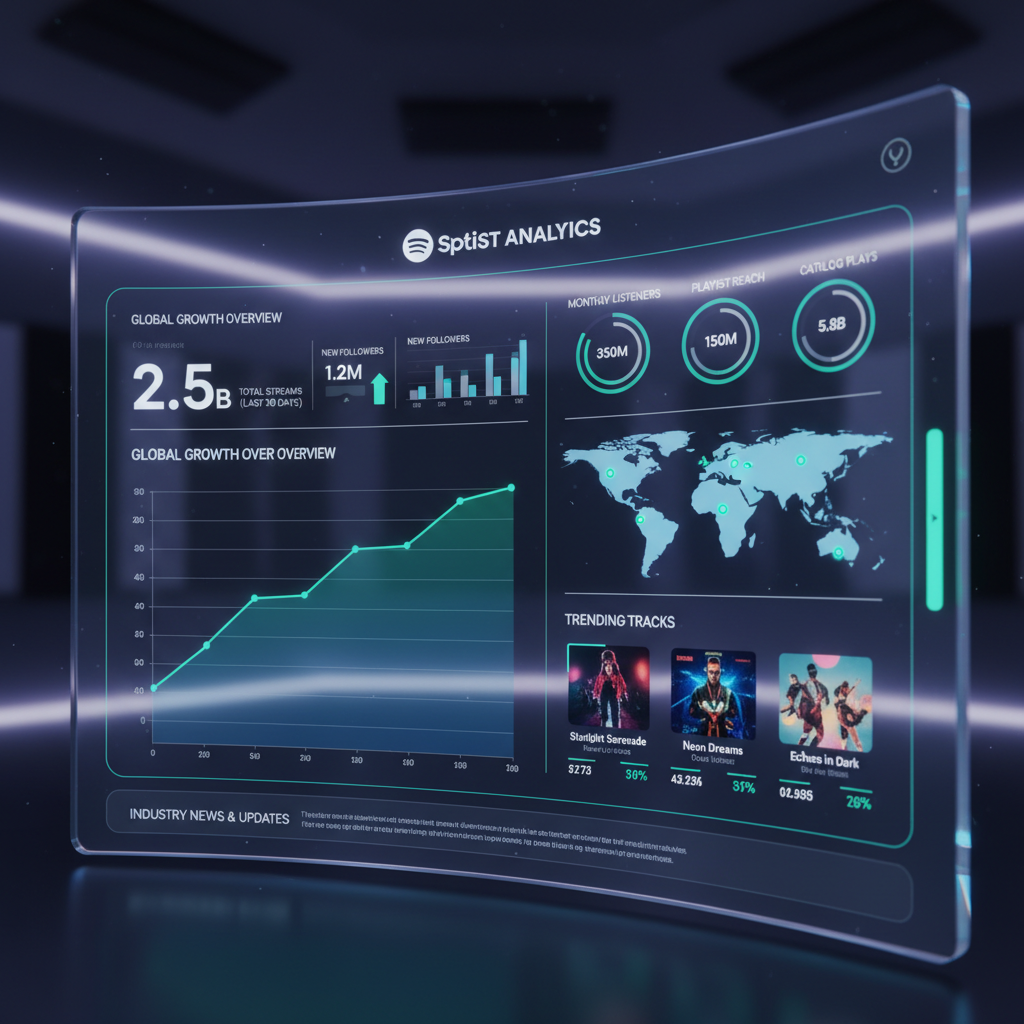
Consider the artists who have embraced metadata optimization. One indie artist increased their playlist placements by optimizing song descriptions and keywords, leading to a 30% rise in streams within weeks. Tools like SongBiz were instrumental in helping them reach targeted playlists and ultimately grow their fanbase.
Conclusion: Take Control of Your Music’s Future
By taking music metadata optimization seriously, artists can dismantle the barriers to visibility and success on Spotify. Employ the strategies outlined in this guide to elevate your music and engage listeners.
Frequently Asked Questions

What is music metadata and why is it important for Spotify?
Music metadata includes information like title, artist, genre, and more. It's essential for categorizing and exposing your music on Spotify.
How can I optimize my music metadata for better visibility?
Ensure accurate genre classifications, spelling of artist names, and engaging descriptions while utilizing tools like SongBiz for better management.
What metrics should I track after optimizing my metadata?
Key metrics include monthly listeners, track save rates above 10%, and Track Add Ratio. Monitor changes to assess your success.
How does proper metadata increase my chances of playlist placements?
Accurate and rich metadata allows Spotify’s algorithms to correctly categorize and recommend your music to the right audience, enhancing playlist opportunities.
Take Action with SongBiz
Facing endless challenges with your music visibility? It's time to harness the power of music metadata optimization Spotify. With SongBiz, you can optimize your metadata effectively, track algorithm performance, and even pitch to playlists seamlessly. Stop feeling invisible; let SongBiz guide you through the optimization process and help your music shine. Start your free trial at SongBiz — optimize your music metadata today.