Unlocking the Secrets of Playlist Pitching for Independent Artists
In today's digital music landscape, the power of playlists cannot be underestimated. They serve as a critical tool for music discovery and are often the gateway to greater exposure for independent artists. However, knowing how to effectively pitch your music to curators can make all the difference. In this article, we’ll explore the fundamentals of playlist pitching, offering independent musicians actionable strategies to get their music heard.
Understanding the Importance of Playlist Influence

Before diving into the pitching strategies, let’s understand why playlists are vital. On platforms like Spotify, playlists account for a significant percentage of music streams, often shaping listener habits and preferences. When your track is featured on a popular playlist, it can lead to:
- Increased Exposure: Getting your song on a playlist means it’s being presented to a new audience, potentially growing your listener base.
- Enhanced Credibility: Being featured on curated playlists adds a level of legitimacy to your music, influencing listeners to take your work seriously.
- New Revenue Streams: More streams can lead to increased royalties and might open up doors for performance opportunities.
Building Your Playlist Pitching Strategy
Successful playlist pitching is a combination of research, presentation, and follow-up. Here are key steps to optimize your pitching efforts:
1. Identify Relevant Playlists
Start by researching playlists that fit your genre and style. Look for independent curators who support emerging artists. You can use tools such as:
- SoundsGood: This platform allows you to discover playlists tailored to your music.
- Pandora’s Playlist Generator: While more focused on radio, it can give insights into popular songs in your genre.
2. Personalize Your Pitch
Crafting a generic pitch will not yield results. Take the time to personalize your outreach. Address the curator by name and mention specific details about their playlist and why your song would fit well. Highlight your unique sound and what influences your music.
3. Use Data and Analytics
When pitching your music, include metrics that showcase your growth. This can include:
- Total streams and monthly listeners
- Engagement on social media platforms
- Press coverage and song placements
Having this data can add weight to your pitch and demonstrate your traction as an artist.
4. Create a Compelling EPK
An Electronic Press Kit (EPK) is your promotional package that surrounds your music. It should include:
- Your bio and background
- High-quality photos
- Links to your music and any notable performances
- Notable achievements or accolades
A well-structured EPK can grab the attention of curators and make them more inclined to review your music.
5. Follow Up, But Don’t Overdo It
After sending your pitch, it’s essential to follow up. A gentle reminder can keep your submission on their radar. However, avoid excessive follow-ups, which can come off as pushy. A simple check-in after a week can be effective.
Engaging on Social Media
Social media presence can bolster your playlist pitching efforts. Engage with playlist curators on platforms like Instagram and Twitter. Share their playlists featuring your music and thank them publicly. Building a rapport can improve your chances of being considered for future placements.
Utilizing Free Tools to Enhance Your Pitching
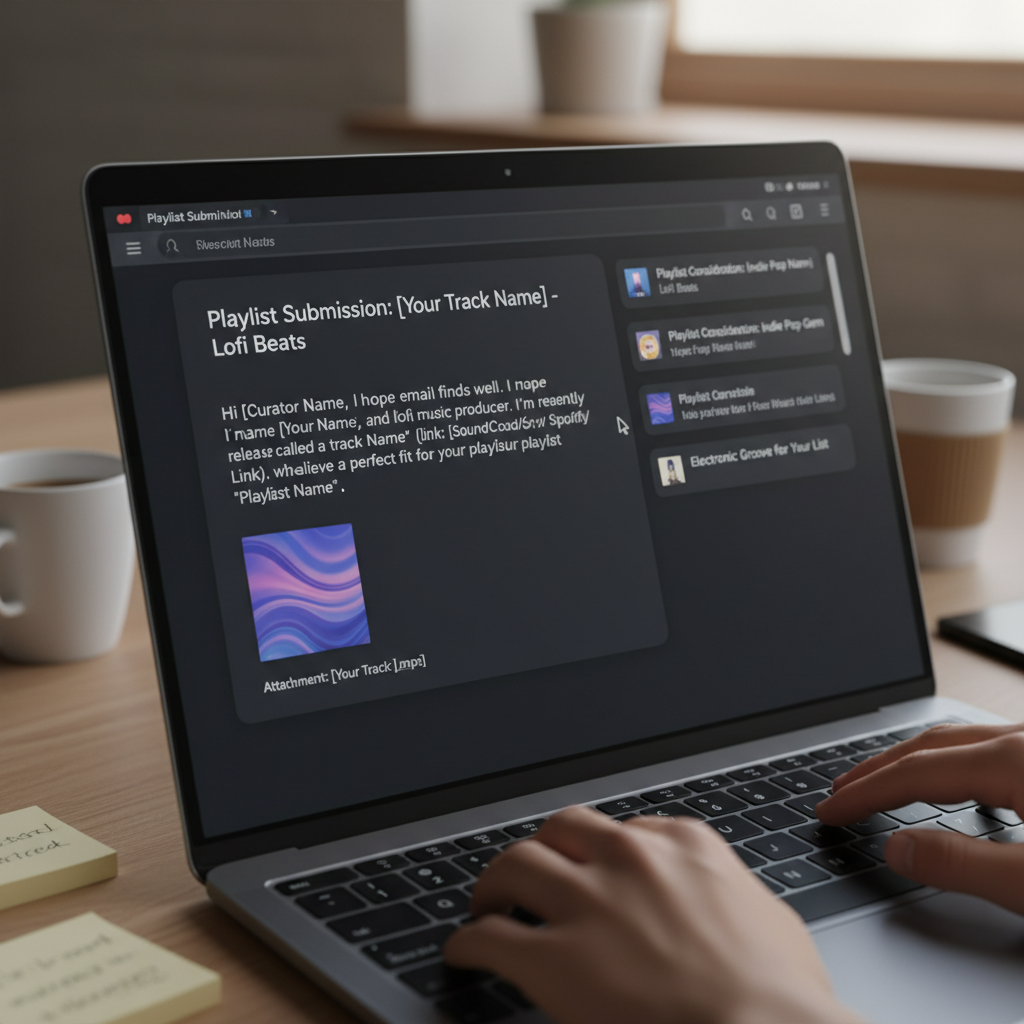
In addition to manual research, leveraging free tools can simplify your playlist discovery and pitching process. Here are some valuable resources:
- IndieMono: This platform lists playlists accepting submissions from independent artists. Perfect for finding genre-specific playlists.
- SubmitHub: A service that facilitates direct submissions but split fees for premium placements. However, check for free options within their service.
- Spotify for Artists: Use their analytics to understand which of your songs perform best and where, allowing you to pitch strategically.
Frequently Asked Questions
Q1: How long should my pitch be?
A good rule of thumb is to keep it concise, ideally within 100-200 words. Be direct and get to the point about why your song is a fit for the playlist.
Q2: What should I do if I receive a rejection?
Don’t be discouraged. Rejections are part of the process. Consider it an opportunity to refine your strategy and request feedback if possible.
Q3: How often can I pitch my music?
You can pitch new releases or updated music regularly, but it’s important to ensure your previous submissions weren’t overly frequent to the same curator.
Conclusion
Playlist pitching can be highly competitive, but with the right strategy and tools, independent artists can enhance their chances of getting featured. Focus on personalizing your approach, utilizing relevant data, and building connections in the industry. Remember, persistence is key!
Are you ready to take your playlist pitching to the next level? Try SongBiz today to boost your music marketing efforts at songbizpro.com.


