Effective Playlist Pitching Strategies for Independent Artists
In the ever-evolving landscape of the music industry, playlist pitching is crucial for independent artists looking to gain visibility and grow their listener base. With the rise of streaming platforms, playlists have become a primary source for music discovery. However, successfully getting your music featured on these playlists requires a well-thought-out strategy. In this article, we’ll explore effective playlist pitching strategies designed to enhance your outreach and maximize your chances of getting your music heard.
Understand the Importance of Playlists

Playlists serve not only as a convenient way to listen to music but also as a powerful tool for artists to reach new audiences. Spotify alone boasts over 60 million tracks, which means competition is intense. Being featured on a popular playlist can expose your music to thousands, if not millions, of new listeners, significantly boosting streams and potential fan engagement.
1. Research Your Target Playlists
Before you pitch your music, take the time to research playlists that align with your genre and style. Look for both major playlists and smaller, niche ones that cater to specific audiences. Tools like Bandsintown and Indie Shuffle can help you identify playlists that fit your music. When choosing playlists, consider factors such as:
- Spotify follower count: Focus on playlists with significant followings.
- Curator activity: Active curators who regularly update their playlists are more likely to feature new music.
- Genre alignment: Ensure your music fits well within the playlist's theme and sound.
2. Build Relationships with Playlist Curators
Establishing a rapport with playlist curators can significantly improve your pitching success. Follow them on social media, engage with their content, and show genuine interest in their playlists. This can make them more inclined to listen to your music when you reach out. Remember, it’s not just about sending a link; it’s about building a community.
3. Craft a Compelling Pitch
Your pitch is your chance to make an impression, so it needs to be insightful and engaging. Here are a few key points for crafting a successful pitch:
- Personalization: Address the curator by name and mention specific details about their playlist.
- Unique selling proposition: Highlight what sets your music apart and why it would be a great fit for their playlist.
- Keep it concise: Be clear and to the point; curators are often busy.
- Link to music: Always include a link to your track and relevant social media or artist website.
4. Optimize Your Music Metadata
Before pitching, ensure your music metadata is correct. Include genre tags, descriptions, and proper credits. Well-structured metadata helps playlist curators quickly understand your music's style and how it fits within their playlist's theme. Tools like TuneCore can assist with accurate metadata management.
5. Leverage Social Media to Build Hype
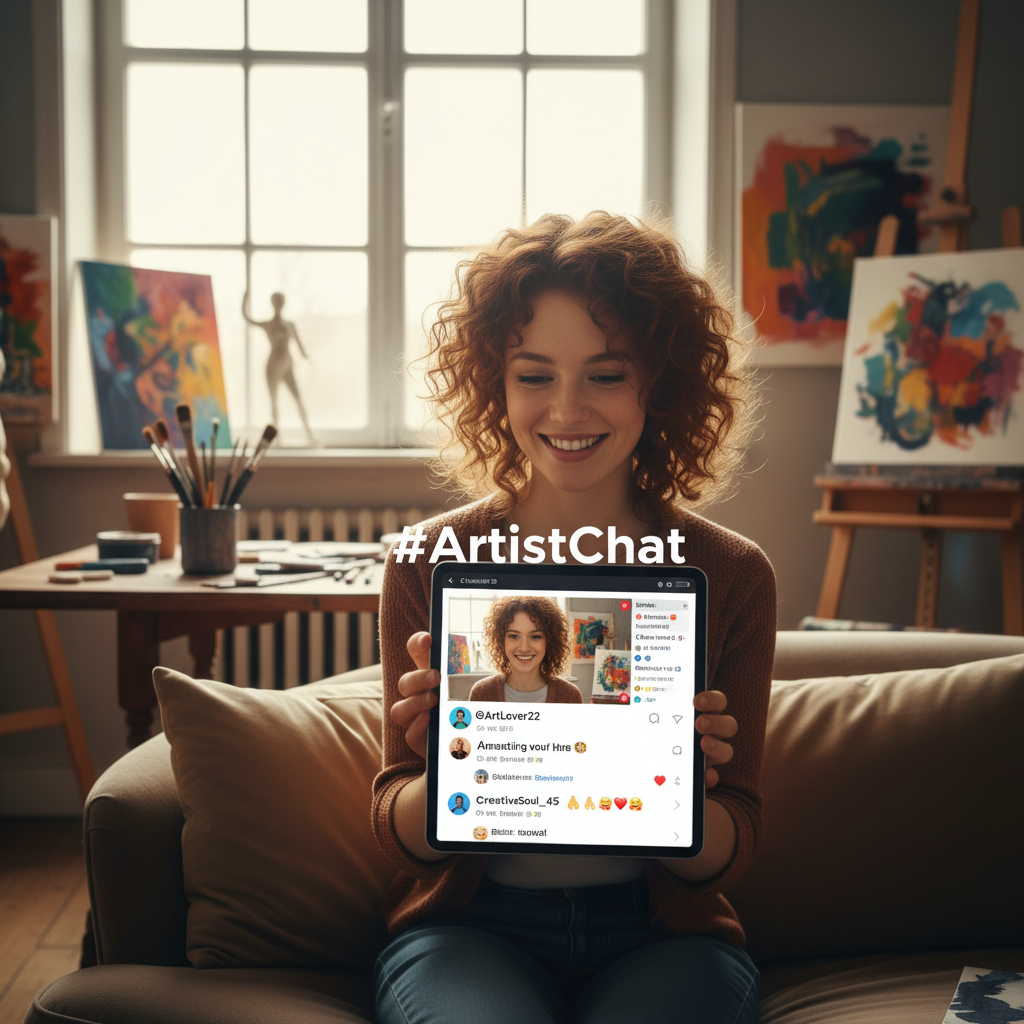
Create buzz around your music release through social media before you pitch to playlists. Sharing snippets, behind-the-scenes content, and engaging stories can captivate your audience and attract the attention of curators. The more active and engaged your online presence, the stronger your pitch will be.
6. Follow-Up Gracefully
After sending your pitch, allow a reasonable time for the curator to respond, usually one to two weeks. If you haven’t heard back, consider sending a polite follow-up message. Keep it friendly and express your continued interest in their playlists. However, avoid being pushy, as it can backfire.
7. Utilize Playlist Submission Platforms
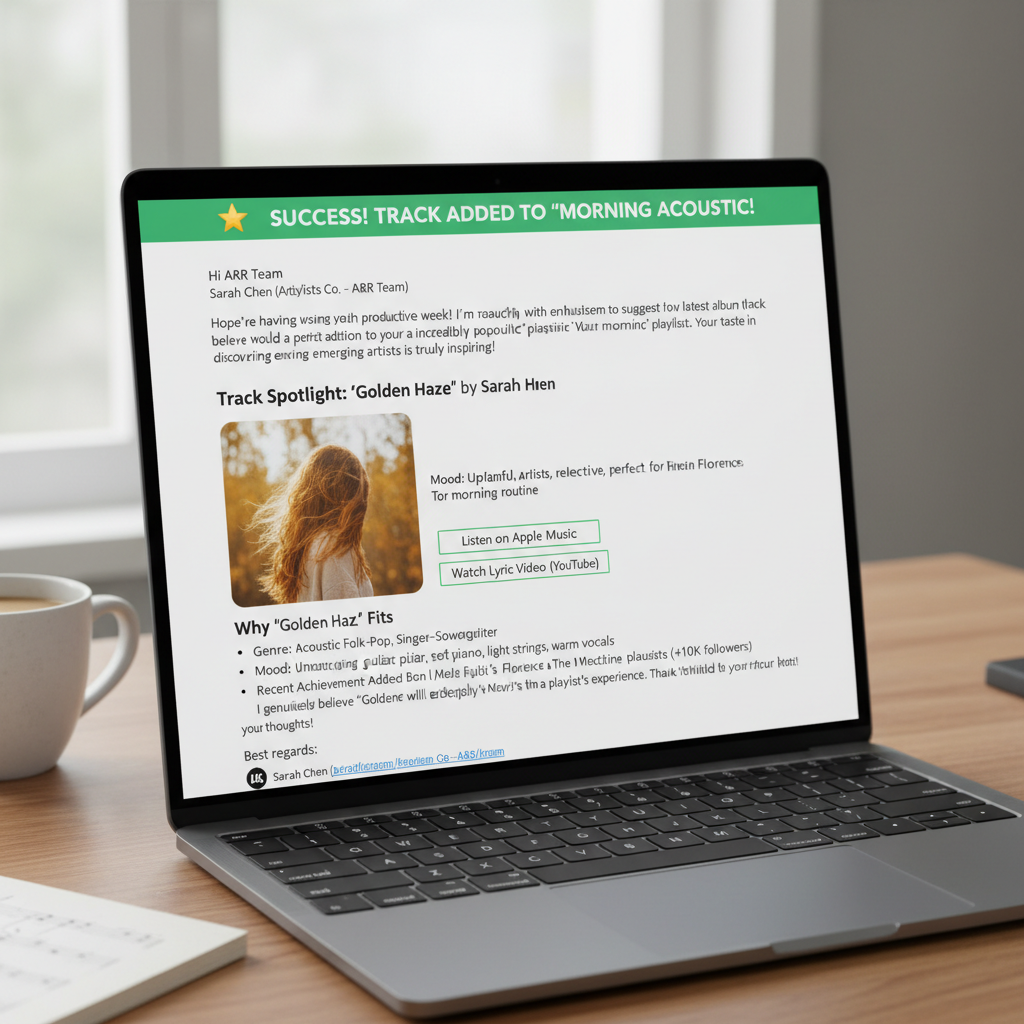
Consider using platforms that help connect artists with playlist curators, such as SongBiz Professional. These services can streamline your submission process, but always ensure to personalize your pitches even within the system. A bit of personalization can set you apart from other submissions.
8. Analyze and Adjust Your Strategies
After some pitching attempts, analyze the results. Keep track of which playlists responded favorably and which ones didn’t. Adjust your strategy based on this feedback. Maybe it’s your pitch, or perhaps you need to target different playlists more aligned with your sound.
FAQ Section
What are the best times to pitch my music?
Generally, it’s best to pitch your music a few weeks before the release date. This gives curators time to listen and consider your music for their playlists.
How can I find the right contacts for playlist curators?
Research playlist profiles on social media and platforms. Many curators list their contact details or how they prefer to receive submissions.
What should I do if I get rejected?
Always remember that not every pitch will be successful. Ask for feedback if possible, and continue refining your music and approach.
Can smaller playlists make a difference in visibility?
Absolutely! Smaller playlists often have dedicated and engaged followers, which can create a more profound impact than being on a larger playlist with a less engaged audience.
Conclusion: Take Action with Your Playlist Pitching
Playlist pitching requires effort, strategy, and a bit of creativity. By following these best practices, you can increase your chances of getting featured on playlists that align with your music. Always keep experimenting, learning, and adjusting your approaches.
Ready to take your playlist pitching to the next level? Check out SongBiz Professional for tailored pitching services that can connect you with influential playlist curators and help your music reach a wider audience!


