Introduction
In today's ever-evolving music landscape, independent artists face numerous challenges. With millions of songs released each day, how do you ensure that your music stands out? The key lies in effective music marketing, understanding the Spotify algorithm, and building an engaged fanbase. In this article, we’ll delve into actionable strategies tailored for independent artists that will not only enhance your visibility but also boost your career growth.
Understanding the Spotify Algorithm
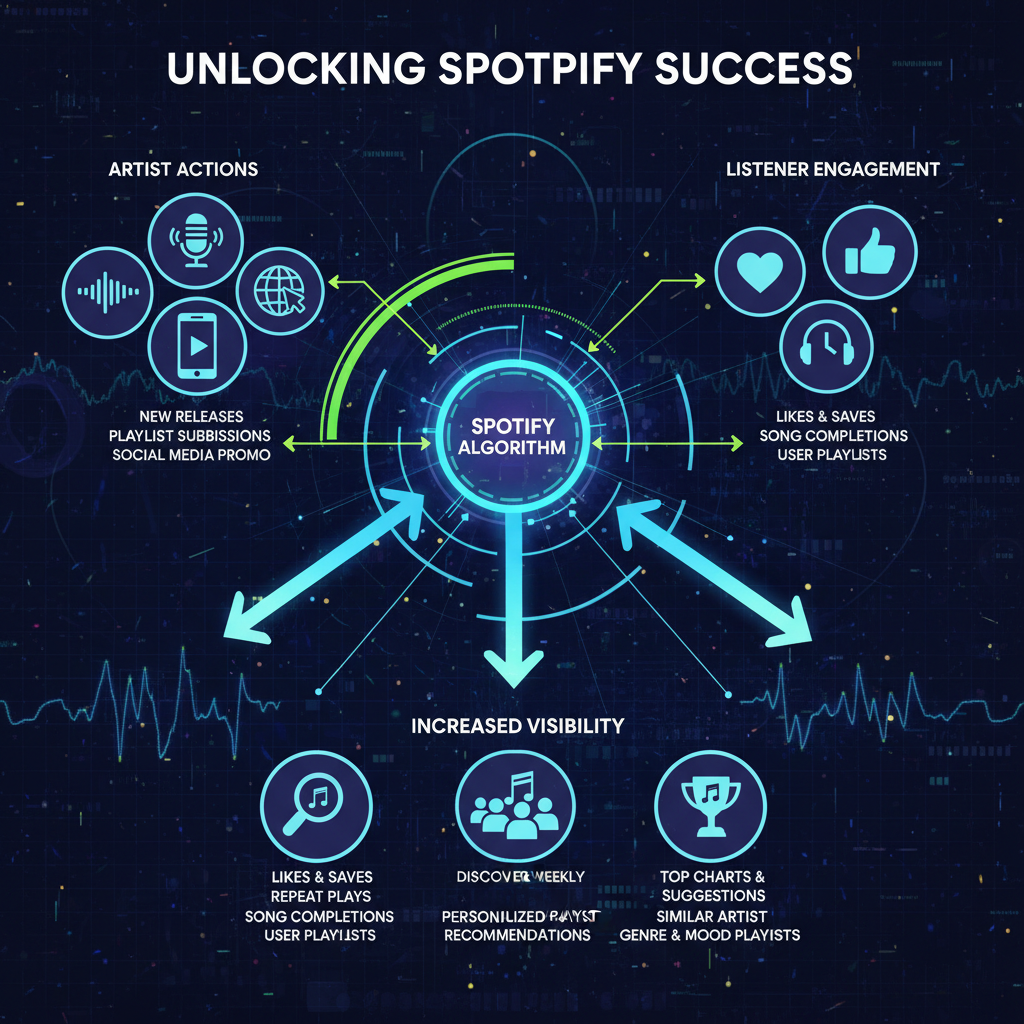
The Spotify algorithm is crucial for artists as it determines how and when your music is discovered by listeners. Here’s what you need to know:
How Spotify’s Algorithm Works
Spotify’s algorithm analyzes user behavior, including:
- Playlist additions
- Skips
- Streams
- User-generated playlists and shares
To optimize for the algorithm, focus on:
- Engagement: Create music that resonates. Engaging tracks lead to repeat listens.
- Metadata: Ensure your song details are accurate and keyword-rich to assist Spotify in categorizing your music correctly.
- Consistency: Regularly release music to stay relevant.
Netting Plays with Release Radar and Discover Weekly
New releases can pop up in user feeds through Spotify's personalized playlists, like Release Radar and Discover Weekly. To get featured:
- Submit your music at least a week in advance through SongBiz.
- Engage your fanbase to save and share your music on release day.
Release Strategies That Work
Planning your release effectively can help increase your chances of landing on playlists and reaching a wider audience:
The Pre-Release Build-Up
Prior to your release, build anticipation:
- Create teaser content on social media.
- Engage with your audience through live Q&As on Instagram or TikTok.
- Share behind-the-scenes footage of your creative process.
Optimal Release Frequency
Ideally, aim for a rhythm of releasing singles, EPs, or albums every four to six weeks. This keeps your fanbase engaged and feeds the algorithm.
Social Media Marketing Tactics
Social media is a powerful tool for independent artists. Here’s how to leverage it effectively:
Choosing the Right Platforms
Focus on platforms where your target audience spends most of their time:
- Millennials and Gen Z are predominantly on Instagram and TikTok.
- Facebook remains strong for event promotion and community building.
- LinkedIn can be useful for industry networking.
Consistent Branding
Maintain a cohesive visual identity across platforms. Use free tools like Canva to create consistent graphics and promotional materials.
Utilizing Analytics
Make data-driven decisions. Free tools such as:
- Spotify for Artists: track listener demographics and engagement.
- Google Analytics: gain insights into your website traffic and conversions.
- TikTok Analytics: measure video performance and audience interaction.
Building an Engaged Fanbase
Creating a loyal fanbase is essential for sustainable success:
Email List Building
Your email list is a direct line to your fans. Use platforms like Mailchimp (free tier) to manage your lists:
- Offer exclusive content or free downloads to incentivize sign-ups.
- Send regular newsletters with updates, upcoming shows, or exclusive merchandise offers.
Engagement Strategies
Maintain interaction with your fans through:
- Interactive polls and Q&As on Instagram Stories.
- Live performances or listening sessions on social media.
- Exclusive early access to tickets or merch for loyal followers.
Monetization Beyond Streaming
Exploring various revenue streams can significantly enhance your earnings:
Merchandising
Merch can be a substantial income source. Utilize Print-on-Demand services to minimize upfront costs:
- Design unique merchandise with Canva for graphics.
- Promote merch during live shows and on social media.
Live Performances and Touring
Live shows bring in both revenue and fan connection. Use data from Spotify and social media insights to choose locations with a higher audience concentration.
PR and Press Coverage Strategies
Getting featured in blogs, magazines, and podcasts can elevate your visibility:
Crafting a Press Kit
Your press kit should include:
- A bio that tells your story and musical journey.
- High-resolution images for media use.
- Links to your music and social media profiles.
Networking with Industry Influencers
Engage with music bloggers and influencers on social media:
- Comment on their posts and share relevant content.
- Pitch your music for features or interviews.
Conclusion
While the independent music journey may be daunting, implementing effective strategies in marketing, fan engagement, and performance can pave the way for success. Remember, the music industry is dynamic. Stay informed, adaptable, and true to your artistry.
For more help in navigating the music landscape, try SongBiz for playlist pitching and PR services tailored for independent artists.


