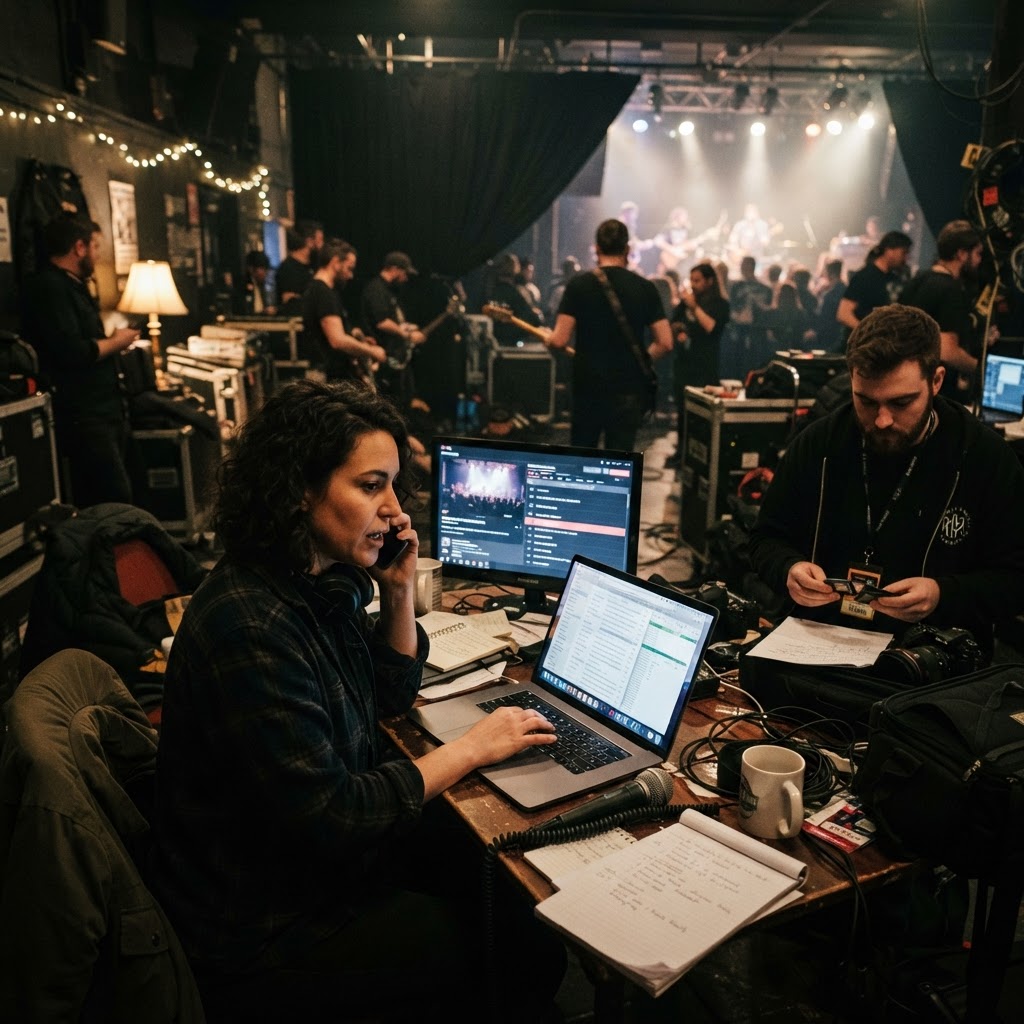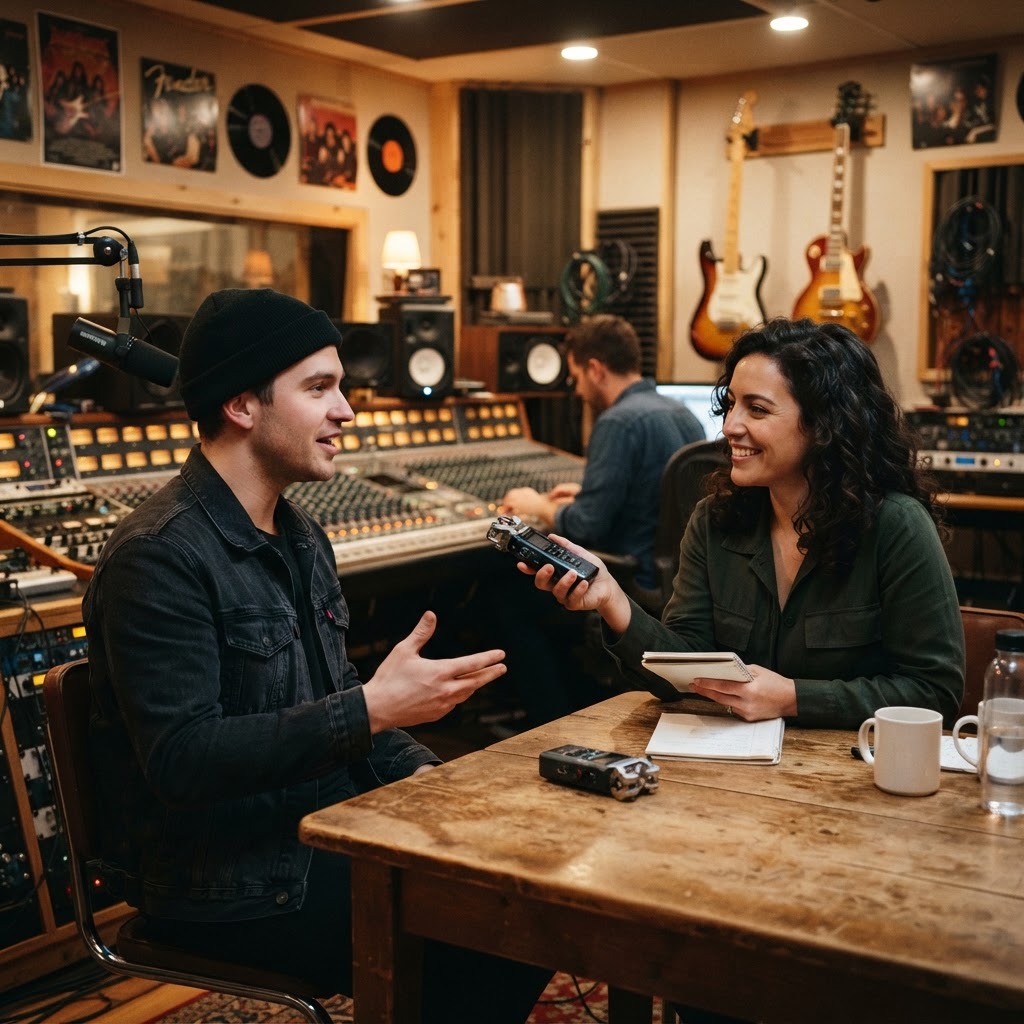
Mastering DIY Music PR Without a Publicist: The Definitive Guide
The crushing silence after sending fifty emails to blogs and curators is the most common frustration for independent artists, but mastering DIY music PR without a publicist is entirely achievable if you treat it like an engineering problem rather than a personality contest. Every day, independent musicians waste hours crafting emotive, long-winded stories that journalists ignore because they lack the specific metadata, relevance, and social proof that media outlets require to justify a feature. In the modern music economy, editorial staff at reputable blogs operate with skeleton crews; they aren't looking for a "star in the making," they are looking for a complete, pre-packaged story that they can format into a post within minutes.
Successfully navigating DIY music PR without a publicist means adopting a data-first approach: identifying the right outlets, qualifying your pitch with specific metrics, and providing journalists with the assets they need to hit publish immediately. By using professional platforms like SongBiz, artists can access curated lists of outlets and AI-generated content, turning a chaotic, hit-or-miss process into a repeatable, high-conversion media strategy that functions without the gatekeeper of a paid agency. To win, you must stop being a "musician begging for a break" and start being a "content supplier offering a valuable asset to an editor."
How to Build a High-Conversion Media List for DIY Music PR Without a Publicist
The single greatest mistake musicians make when attempting DIY music PR without a publicist is "spray and pray" pitching—sending the same template to hundreds of sites. To succeed, you must reverse-engineer the editor's workflow. Start by tracking 20–30 blogs, podcasts, and local outlets that cover your specific micro-genre. Use tools like Chartmetric to see who covered artists at your current stream velocity (e.g., if you are averaging 1,000 monthly listeners, don't pitch to Pitchfork; target blogs that focus on emerging artists in your sub-niche). A localized, hyper-focused list of 30 relevant contacts is objectively more valuable than a list of 500 random industry names.
When curating this list, categorize contacts into "Tier 1" (aspirational, heavy traffic), "Tier 2" (regional or genre-niche, reliable coverage), and "Tier 3" (small hobbyist blogs, high potential for early adoption). Start your campaign by pitching to Tier 3 outlets to secure "social proof" links. Once you have two or three blog mentions, update your media kit to include these links. When you eventually approach Tier 1 outlets, you are no longer an unproven variable; you are an artist with documented journalistic interest.
What is the response rate threshold for cold music pitching?
In the current media landscape, a successful DIY pitch campaign should see a 5–8% response rate. If you are sending 100 emails and receiving fewer than 5 replies, your "hook" is flawed. Journalists are not looking for your life story; they are looking for a unique narrative angle. Are you the first artist in your city to mix hyper-pop with regional folk? Did you record the track entirely in a van? That is your lead.
Pro Tip: Never pitch an "attached file." Journalists at credible outlets have strict security protocols against unsolicited downloads. Always include a clean, private, non-expiring streaming link—SoundCloud or a SongBiz-generated professional landing page is the industry standard.
The Technical Mechanics of a Press-Ready Electronic Press Kit (EPK)
You cannot execute DIY music PR without a publicist unless your assets are "press-ready." Editors have roughly 90 seconds to decide if they will cover you. If they have to email you for high-res photos, a bio, or a private link, they will move on to the next artist. Your folder must contain: three high-resolution press photos, a short (150-word) bio with a specific narrative angle, and a link to your release.
Your "press-ready" folder should be hosted on a cloud service (Google Drive or Dropbox) and remain clutter-free. Industry standards dictate that you include one "hero" image (usually a landscape shot with negative space for text overlay) and two portraits. Your bio should avoid marketing fluff like "I am a visionary artist." Instead, lead with industry facts: "Signed to X label," "Produced by Grammy-nominated Y," or "Reached 50k streams on previous release." The goal is to establish credibility within the first two sentences.
How do I structure a press-ready folder that editors actually open?
Use a single Google Drive or Dropbox link. Organize folders by "Images," "Bio," and "Audio." Ensure every file is named correctly (e.g., ArtistName_SongTitle_PressPhoto1.jpg). Do not force editors to sign into an account to access your music. Using the SongBiz all-in-one platform, you can organize these assets effectively while tapping into their AI Content Studio to generate promotional artwork that keeps your visual aesthetic consistent with your sound.
Understanding Curator Psychology: The 72-Hour Rule
When you are managing DIY music PR without a publicist, timing is your most valuable currency. Media outlets, especially those focused on blog posts or playlist reviews, operate on tight weekly schedules. If you pitch a song two weeks after it has been released, your chances of coverage drop by 60%. Editors want "freshness." The ideal window for reaching out is 14 days before your release date, followed by a polite "check-in" exactly 72 hours after the initial pitch.
This "72-hour rule" is vital because it respects the editor's workflow without badgering them. If you send your initial email on a Monday, and they haven't replied by Thursday morning, a short follow-up—"Checking in to see if this track fits your upcoming editorial calendar"—is seen as professional diligence. If you receive no further response, archive the contact and focus on your next target. Persistence without spamming is the hallmark of a self-managed artist who understands the industry standard of professionalism.
Leveraging Meta Ads as Social Proof for Media Outreach
When you have no publicist, you must build your own authority. Before pitching to major blogs, use Meta BOOST to run targeted ad campaigns. By driving 500–1,000 highly qualified streams to your track through music-optimized ad campaigns, you demonstrate to a journalist that your audience is real and growing. When you pitch, lead with the data: "My recent single garnered 2,000 streams in 7 days with a 15% save rate from listeners in [City/Genre]." That data turns a request into a professional business proposal.
Furthermore, journalists often check an artist's social media presence before deciding to feature them. If your Instagram or TikTok page is barren, they are less likely to invest their time in your story. Use your ad budget not just for raw streams, but to build a follower base that engages with your content. A modest but active following acts as "social proof," showing the editor that featuring you will likely result in traffic for their website. Always include your social handles in your email signature so journalists can verify your engagement metrics instantly.
The Role of AI Content Generation in Scaling Your PR
SongBiz for Artists
Pitch your music to vetted curators and PR outlets — all in one platform
SongBiz handles playlist pitching, press outreach, booking, grant funding, and AI content creation so you can focus on making music. No label required. Start free and launch your first campaign in minutes.
Start free with SongBiz →One of the biggest hurdles for an independent artist is the sheer volume of content required to maintain momentum. DIY music PR without a publicist is exhausting because you are also the marketer, the manager, and the creative. Tools like the SongBiz AI Content Studio help bridge this gap by generating promotional videos, social media assets, and press release templates, allowing you to scale your outreach without sacrificing the quality of your brand presence.
AI is particularly effective at "re-purposing." If you land a blog feature, you need that mention to live in multiple places. AI can help you draft a press-release version of that blog feature to send to your local news station or add to your newsletter. By using AI to automate the tedious drafting of emails, you can spend more time researching new curators and refining your outreach strategy. This scalability is exactly how a single person can replicate the output of a small PR agency.
Can AI tools replace a professional publicist?
AI cannot replace the relationships a human PR agent has, but it can replace the administrative labor. By automating the production of assets and tracking your outreach, you free up time to focus on the human element: personalizing your emails to editors. The best approach is to use software to handle the bulk work and reserve your energy for building 1-on-1 connections with key gatekeepers in your scene.
How can I keep track of PR progress without a CRM?
Managing outreach in a simple spreadsheet is the most effective way for an independent artist to organize their contacts. Create columns for "Contact Name," "Publication," "Pitch Sent Date," "Follow-up Date," and "Status." Color-code your cells (Green for coverage, Yellow for awaiting reply, Red for declined/no-response). This visual tracking ensures you never double-pitch the same outlet, keeping your reputation clean and professional.
Common Pitfalls in DIY PR and How to Avoid Them
Many artists fail at DIY music PR without a publicist because they over-pitch. Sending a follow-up every single day is a sure way to get blocked. A firm rule is to send one pitch, wait five days, and then send one follow-up. If there is no response after the second email, move on. Your time is better spent finding the next 10 contacts than chasing one journalist who has already decided the track isn't a fit.
Another common pitfall is ignoring the regional angle. If you are a Nashville-based artist, local blogs, newspapers, and radio stations are far more likely to cover you than national publications. Treat your local scene as your testing ground. Once you are the "big fish" in your local pond, you have legitimate credentials that make it easier to pitch to larger, national outlets. Never underestimate the power of local press to build the foundation of your career.
Insider Truth: A "no" is better than silence. If a journalist replies saying your track isn't a fit for their current rotation, reply with a quick, "Thanks for listening! I have a new project dropping in three months—may I reach out then?" This keeps the door open for future releases.
The Economics of DIY PR: When to pivot?
If you have sent 100 high-quality, personalized pitches and received zero responses, you must pivot. This is the "threshold of viability." Analyze your assets. Is your press photo high-quality? Is your bio too long? Is your song actually ready for media consumption, or does it need a professional mix and master? Sometimes, the problem isn't the PR strategy; it's the product itself. Use this data to improve your music before returning to your PR campaign.
The industry benchmark for a "ready" track is a consistent, professional production quality that matches the other songs featured on your target blog. If you sound "demo-quality" compared to the artists currently appearing on that blog, you are likely to be ignored. Invest in a professional master, ensure your branding is cohesive, and align your release with a strong promotional campaign. By continuously optimizing, you move closer to the 8% response rate threshold required for sustainable, long-term DIY growth.
Frequently Asked Questions About DIY Music PR
Is it possible to get featured on major blogs without a publicist?
Yes, but you must focus on niche, genre-specific blogs rather than top-tier mainstream publications. Small-to-medium outlets are starved for content and rely on artists who provide professional, well-formatted, and timely pitches. If your data is strong and your music is high-quality, these outlets will often feature independent artists over industry-backed ones.
How much should I spend on ads to help my music PR?
Start small with a $5–$10 daily budget on Meta BOOST. Focus entirely on conversions—getting people to listen to your music. When you run ads, ensure your tracking pixel is active so you can measure the "Save" rate. A save rate of 10% or higher is a significant metric that you can use as leverage when you pitch your music to professional curators.
What should I include in the subject line of my pitch?
Keep it direct and informative. Avoid clickbait. A winning subject line looks like this: "Submission: [Genre] Artist [Name] – [Song Title] – [Release Date]." Include a link to the track in the first paragraph. Journalists prioritize clarity; if they can tell who you are and what you sound like in three seconds, your open rate will spike.
How do I know which journalists are actually reading my pitches?
Use email tracking tools (often included in email marketing suites) to see if and when your email was opened. If a journalist opens your email three times but doesn't reply, your pitch content may be the problem. Refine your narrative, change your subject line, or add more compelling data points. Never assume they didn't see it—assume they saw it and didn't find the "hook" compelling enough to act.
Should I reach out to journalists on social media?
Direct messaging on social platforms like Twitter or Instagram can be effective if done sparingly and professionally. However, do not lead with a link. Start by interacting with their content genuinely, then send a message: "Hey [Name], I love your recent coverage of [Other Artist]. I'm an artist working in a similar space, and I'd love to send you my upcoming track if you're open to submissions." This creates a personal bridge before the business ask.
Build your music career without a label
Join thousands of independent artists using SongBiz to get playlist placements, press coverage, booking deals, and grant funding — all from one platform. Start free today.
SongBiz Professional — Pitch. Press. Play. The all-in-one music marketing platform for independent artists. Playlist pitching, PR outreach, booking, grant funding, and AI content creation. Start free →