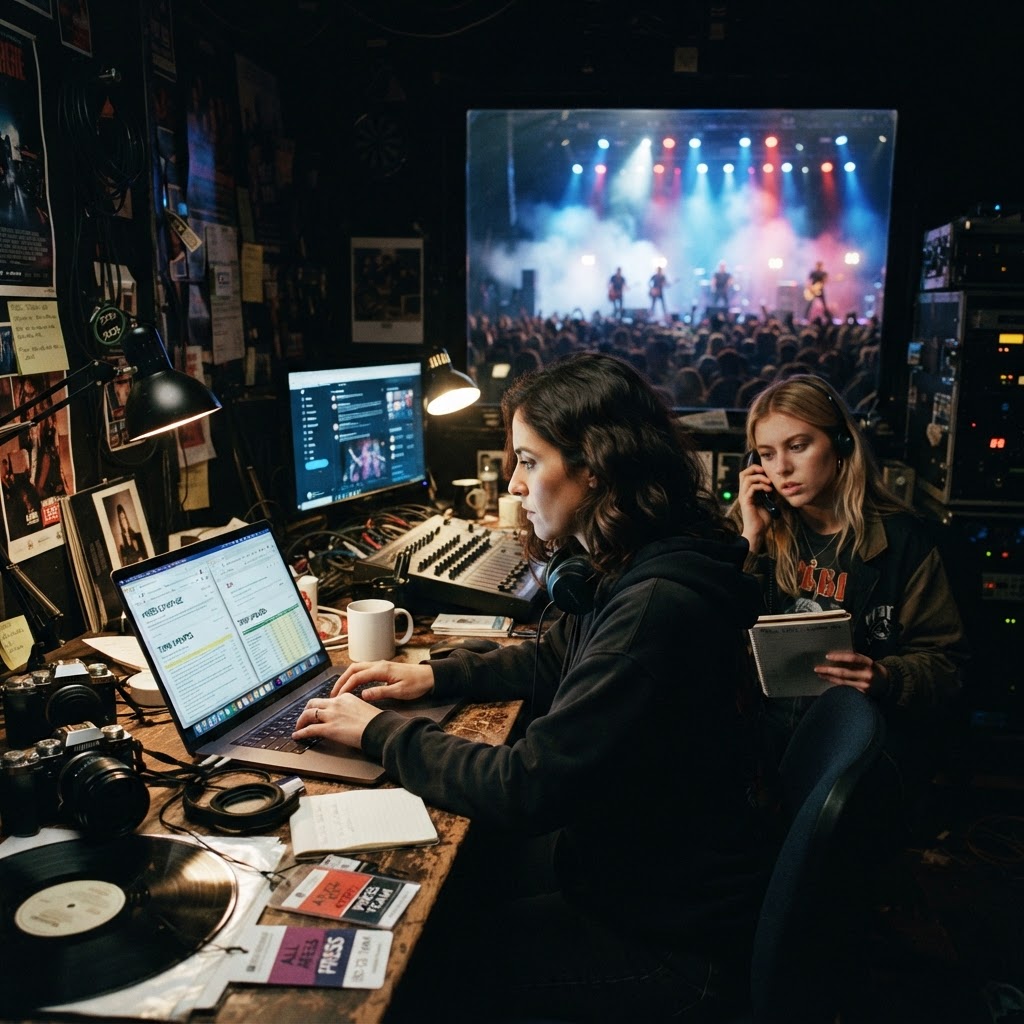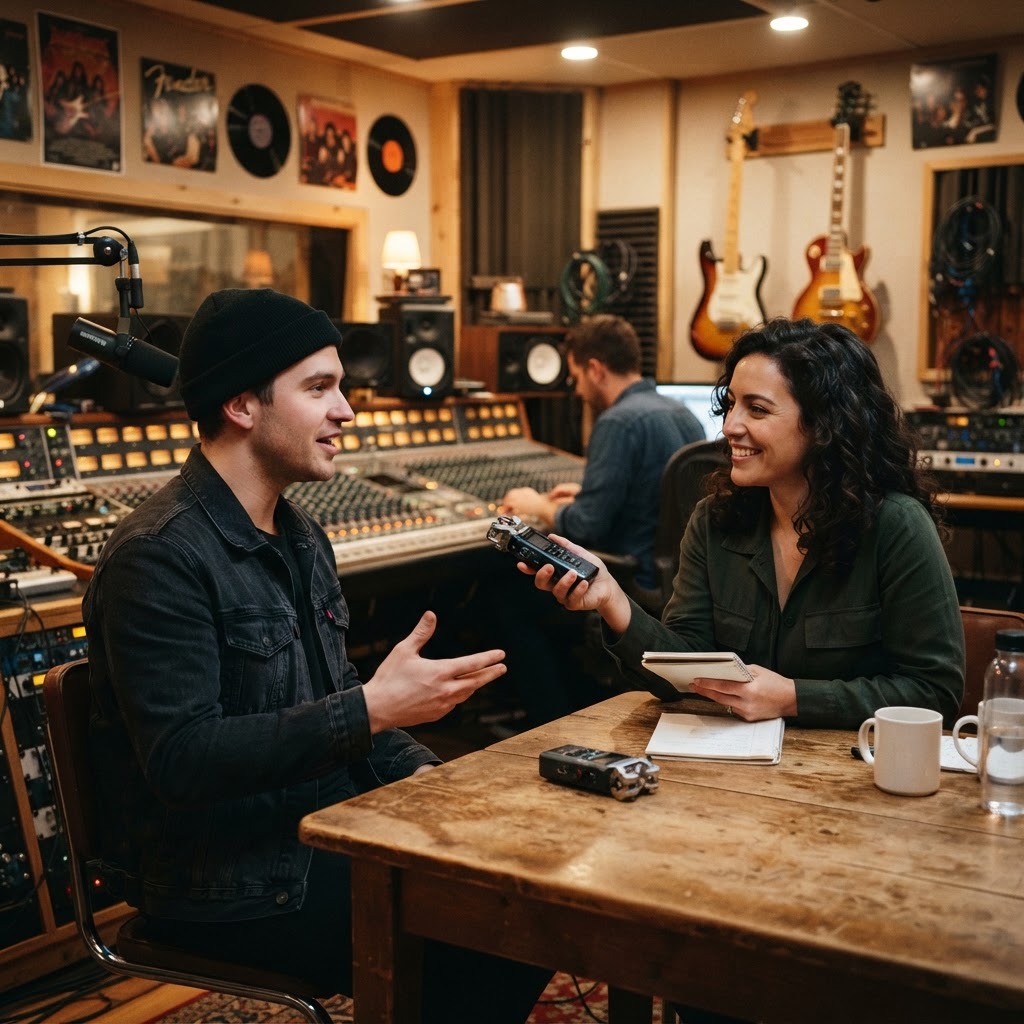
Why You Keep Getting Ignored: The Reality of DIY Music PR Without a Publicist
You have spent hundreds of hours in the studio, perfected your mix, and designed professional-grade artwork. You send out your EPK, hit 'send' on fifty emails, and then… absolute silence. This is the daily reality for thousands of independent artists who attempt DIY music PR without a publicist, only to be met with ghosting, rejection, or automated 'do not submit' replies. The frustration stems from a lack of understanding regarding how journalists and curators actually process submissions, not a lack of quality in your music. Success in DIY music PR without a publicist is achieved by treating your outreach as a high-precision data task rather than a plea for validation. By focusing on curator psychology, identifying high-intent media outlets, and leveraging targeted assets, you can secure coverage independently. Platforms like SongBiz integrate these workflows, allowing you to manage outreach to vetted press outlets and playlist curators from one centralized dashboard.
The most common mistake independent artists make is assuming a good song guarantees coverage. Journalists are inundated with 200+ emails per day; they are not looking for 'good,' they are looking for a story that fits a specific editorial gap.
How do you actually build a press list for DIY music PR without a publicist?
Stop scraping random blogs. The secret to effective DIY music PR without a publicist is 'vertical targeting.' Most artists make the mistake of casting a wide net; the pro approach is to find publications where the average writer has published a feature on an artist within your specific micro-genre in the last 30 days. To do this, use tools like Chartmetric to identify which blogs are driving actual traffic to your competitors. Once you identify 20-30 high-relevance outlets, you must find the specific writer who covers your sound. Pitching a general 'editor' email is a death sentence for your submission; it goes to a black hole. When you handle DIY music PR without a publicist, you must build a database of contacts. Use a spreadsheet to track: Name, Outlet, Last Article Topic, and Link to Social Profile. If you have to spend 4 hours researching to find 10 high-quality contacts, do it. That time investment is worth more than 500 spray-and-pray emails. SongBiz simplifies this by providing access to vetted PR outlets, saving you the manual labor of building lists from scratch.
What is the golden ratio for your pitch email when doing DIY music PR without a publicist?
Your pitch must follow the '3-sentence rule' to survive the mobile inbox check. DIY music PR without a publicist fails when artists write a biography of their life or paste a 500-word press release. A professional pitch includes: 1) The 'hook' (a relevant comparison or a specific achievement like '10k monthly listeners' or 'shared stage with X'), 2) The 'asset' (a private streaming link, not an attachment), and 3) The 'call to action' (a simple question: 'Are you open to a premiere or feature?'). The conversion rate for cold email in music PR is statistically around 2-3%. If you send 50 pitches, expect one solid placement. This is not a failure; it is the industry benchmark. If your response rate is lower, your pitch is likely failing on the 'hook' or the link format. Never send files as attachments—always use hosted streaming links that track plays. SongBiz provides the AI Content Studio to help generate visual assets that make your pitch stand out, ensuring your visual presentation is as professional as your music.
Why does curator psychology matter in DIY music PR without a publicist?
Curators and journalists are protective of their 'brand.' When you approach them for DIY music PR without a publicist, you are essentially asking them to stake their reputation on your music. They won't do it unless they know your music fits their audience's retention patterns. If a curator includes your song, they lose listeners if the song is skip-heavy. Therefore, you must present data. Instead of saying 'My song is great,' say 'This track has a 70% save rate on its last 1,000 streams.' This data-driven approach removes the subjectivity and makes your pitch a business decision for the curator. For those running DIY music PR without a publicist, having access to these analytics is your most powerful leverage. SongBiz allows you to build these campaigns by integrating playlist pitching alongside your press outreach, allowing you to show curators that you have both momentum and an audience.
How do you leverage Meta ads to support your DIY music PR without a publicist?
PR is only half the battle. If a journalist writes about you, where are they sending the traffic? If the answer is a dead-end link, your PR effort is wasted. When mastering DIY music PR without a publicist, you need to use Meta ads to 'warm' the audience. By running music-optimized campaigns—which you can easily manage through SongBiz's Meta BOOST feature—you target listeners who have already engaged with similar artists. A conversion rate of 10-15% on your landing page from these ads gives you the 'social proof' needed to show journalists that you are a growing concern. If you can show a journalist that your fan-base is growing by 5% week-over-week through your own marketing efforts, you become a much more attractive candidate for coverage. You are no longer just asking for a favor; you are offering them a story about a rising artist.
Pro Tip: Never ask a blogger 'what they think of your music.' It forces them to be a critic. Instead, ask if the track 'fits their current editorial calendar for a feature on [specific micro-genre].'
What are the technical requirements for a successful press kit?
Your press kit is your storefront. For DIY music PR without a publicist, you cannot afford to have a disorganized kit. It must include: 1) High-res press photos (landscape and portrait), 2) A one-sheet with clear stats (monthly listeners, notable support slots, press history), 3) A link to your latest EP/Single with a clear 'Press Assets' folder (Dropbox or Google Drive) containing clean WAVs. Journalists often work on tight deadlines. If they have to email you back to ask for a JPEG or a bio, they will likely move on to the next artist. The faster you make their job, the more likely you are to get featured. SongBiz serves as the infrastructure for this, helping you compile these assets into a cohesive, professional presentation that is ready for any outreach campaign.
SongBiz for Artists
Pitch your music to vetted curators and PR outlets — all in one platform
SongBiz handles playlist pitching, press outreach, booking, grant funding, and AI content creation so you can focus on making music. No label required. Start free and launch your first campaign in minutes.
Start free with SongBiz →Mastering the "Follow-Up Cadence"
Many independent artists believe that once they send a pitch, their job is done. In the world of DIY music PR without a publicist, the "follow-up" is where most deals are closed. Industry standards suggest a three-touch sequence. The first email is your initial pitch. The second email, sent 4–5 days later, is a "nudge" providing a new piece of information—perhaps a recent playlist addition or a confirmed show date. The third and final email, sent another week later, is a "break-up" email, asking them to let you know if the track isn't a fit so you can update your database. This process shows the journalist that you are professional and organized. SongBiz automates these reminders, ensuring you never miss a follow-up window, which is critical when timing your outreach around a release date.
Defining Success: Benchmarks for the Indie Artist
When you take on DIY music PR without a publicist, you need realistic KPIs. A "successful" campaign for a new, unsigned artist is defined as a 2–3% conversion rate on cold outreach. If you send 100 emails and get 3 placements, you have performed at an industry-standard level. If you secure 0, you must analyze your "Hook." Is the subject line too generic? Is the streaming link broken? Did you pitch a blog that hasn't posted in six months? Utilize SongBiz metrics to see which subject lines get opened and which streaming links receive the most clicks. If your open rate is below 30%, your subject line is the problem. If your open rate is 50% but your placement rate is 0%, your music or your value proposition is the issue. Adjust accordingly, pivot to a new target list, and repeat. Data is your best friend when you are your own PR team.
Building Relationships Over Transactions
The biggest long-term trap in DIY music PR without a publicist is treating journalists as vending machines where you insert a link and out comes a post. Journalists are human beings with specific tastes. The best way to build a rapport is to engage with their work *before* you need them. Spend fifteen minutes every morning reading the publications you want to be featured in. Comment on their articles, share their content on your social media, and genuinely familiarize yourself with their writing style. When you eventually send your pitch, reference a recent article they wrote. A simple "Loved your piece on the shifting landscape of indie-pop last week—it really resonated with our sound," changes the dynamic from "another spammy pitch" to "a reader who is part of the community." SongBiz facilitates this relationship management by allowing you to tag and categorize journalists based on previous interactions, keeping your outreach personalized and authentic.
How do I handle negative feedback or rejection when doing DIY music PR without a publicist?
Rejection is not a reflection of your worth. In DIY music PR without a publicist, most rejections aren't even personal—they are editorial. A "no" often means your track doesn't fit the current playlist mood or the publication's upcoming content cycle. Instead of internalizing the rejection, ask: "Do you have any recommendations for other curators who might appreciate this sound?" Many journalists are happy to point you in the right direction if your professionalism remains high.
The Role of "Scarcity" in Your Outreach
Human psychology dictates that we want what is exclusive. When crafting your pitch for DIY music PR without a publicist, try to create a sense of scarcity. Instead of "Check out my new song," try "I have limited slots left for premieres on this track before the release date." Whether you are offering a blog the exclusive first look or a playlist curator the chance to feature a track before the algorithmic push, framing your pitch around "firsts" or "exclusives" increases your chances of a positive response. Journalists want to be the ones to break a story, not the tenth blog to post a link. If you have a specific, time-bound hook, make it the first line of your email. Always aim to give them an angle that their competitors do not have. This strategic positioning is exactly what SongBiz helps you organize within your campaign manager, ensuring every pitch carries the weight of a unique editorial opportunity.
FAQ
How long should my pitch email be? Keep it under 150 words. Focus on the 'why now'—is it a new release, a tour announcement, or a unique collaboration? Include one link to the music and one link to your press assets. If it exceeds three short paragraphs, it will not be read.
What is the best time of day to send a pitch? Data shows that Tuesday, Wednesday, and Thursday between 9:00 AM and 11:00 AM (in the recipient’s time zone) yield the highest open rates. Avoid Mondays (inbox catch-up) and Fridays (end-of-week planning). Your timing is just as important as your content.
Should I follow up if I don't hear back? Yes, but only once, exactly one week later. A polite, 'Just circling back on this in case it got buried' is sufficient. If there is still no reply after the follow-up, move on. Persistence is key, but 'spamming' will get your email address blacklisted by curators.
How can I prove my music is worth covering without label backing? Focus on 'micro-metrics.' High skip-rates are common, so if you have a song with a high listen-through rate or a strong save-to-stream ratio, highlight that. Journalists care about 'heat.' Any indicator that your audience is actively choosing your music is a signal that you are a low-risk, high-reward feature.
What should I do if a blog asks me for a "promotional fee" to cover my music?
Be extremely cautious. In the landscape of DIY music PR without a publicist, legitimate publications rarely charge for coverage. If a site demands payment for a feature, it is often a sign of a "pay-to-play" scheme, which offers zero long-term value and can hurt your reputation with authentic curators. Always prioritize organic placements through SongBiz-vetted lists over paid blogs that guarantee coverage, as organic traction builds genuine career momentum.
Build your music career without a label
Join thousands of independent artists using SongBiz to get playlist placements, press coverage, booking deals, and grant funding — all from one platform. Start free today.
SongBiz Professional — Pitch. Press. Play. The all-in-one music marketing platform for independent artists. Playlist pitching, PR outreach, booking, grant funding, and AI content creation. Start free →